Why Every Hotel Room Should Have a Detangling Comb 🧳✨

Hotel News for Detangling Comb

Travel is supposed to feel effortless. But there are few things more frustrating for guests than stepping out of a shower before a meeting and fighting through knots with a flimsy, one-size-fits-nobody brush—or worse, discovering there isn’t one at all. If hotels are serious about comfort, wellness, inclusivity, and polished brand standards, a simple, durable detangling comb belongs in every guestroom. Below, we’ll unpack why this small amenity delivers outsized impact—for guest satisfaction, housekeeping efficiency, and brand differentiation.

The Wellness Era Demands Practical, Low-Stress Grooming Tools

Guests today expect hotels to support rest, recovery, and a calm daily rhythm from check-in to check-out. Wellness isn’t just about spa menus; it’s about removing friction from the morning routine. A detangling comb—designed to glide through wet or dry hair with flexible teeth—reduces breakage, tugging, and the stress that comes with rushed grooming. That’s a micro-wellness moment your brand can own, especially as hotels expand in-room wellness touches. Industry coverage has documented this shift toward restorative, wellness-forward amenities, from sleep to mindful rituals, underscoring that small comforts stack into bigger satisfaction. See the discussion of wellness momentum and in-room programming from CoStar’s hotel coverage for 2025. CoStar Hotel Wellness Trends CoStar

Amenity ROI: Tiny Cost, Big Guest Satisfaction Gains

Hotel leaders continue to invest in the room elements guests touch daily—furnishings, bathrooms, and practical amenities—to move satisfaction scores. J.D. Power coverage highlighted how smart, thoughtfully chosen in-room features materially lift guest happiness. A well-made detangling comb is an affordable, durable item that guests immediately recognize as useful, unlike various novelty trinkets that add cost without value. By pairing a comb with quality conditioner, you help guests leave the room feeling polished and camera-ready—whether they’re joining a board meeting or heading out for bleisure. Read more on how in-room upgrades push satisfaction in Hotel Dive’s amenities report. Hotel Dive on Guestroom Amenities & Satisfaction Hotel Dive

Inclusivity by Design: Serve All Hair Types, Textures, and Ages

Hotels welcome every hair type—straight, wavy, curly, coily—and a detangling comb serves them all. Guests with textured or long hair (and families traveling with kids) know traditional narrow-tooth combs or rigid paddle brushes can snag and break strands. A detangling comb’s wide spacing and flexible teeth drastically reduce pain and damage, supporting a more inclusive standard of care right inside the bathroom. Inclusivity isn’t only about accessible rooms and dietary options; it’s also about the quiet details that tell guests, “We thought of you.” As industry voices emphasize personalization and “pick-and-choose” guest experiences, this amenity becomes a small but potent signal. See Hospitality Net’s perspective on deeper guest personalization and in-room choice. Hospitality Net on Personalization Hospitality Net

Align with 2025 Amenity Trends—Useful Beats Novelty

Every year brings a new “quirky” amenity fad. But the lasting winners share two traits: they’re high-utility and low-friction. Hotel Tech Report’s amenities roundup captures a clear theme—guests want items they will actually use. A detangling comb is the model of unflashy usefulness: it shows up precisely when guests need it, it’s intuitive, and it upgrades a daily task many travelers find stressful away from home. See the amenity ideas and rationale summarized here. Hotel Tech Report: 2025 Amenity Ideas Hotel Tech Report

Sustainability & Hygiene: Durable, Easy to Clean, and Reusable

As brands reevaluate bathroom programs with an eye on environmental responsibility, a properly specified detangling comb advances both sustainability and hygiene goals. Unlike disposable plastic combs or random brushes that are hard to sanitize, high-quality detangling combs (think heat-resistant, smooth-molded, and non-porous materials) stand up to regular housekeeping protocols and still feel great in hand. This reduces waste from throwaways, extends replacement cycles, and keeps presentation standards high. Hotel Management has explored the upside of rethinking bathroom amenities through the lenses of brand, sustainability, and guest experience—exactly where a modern comb fits. Hotel Management on Bathroom Amenity Strategy Hotel Management

Design Cohesion: A Small Detail That Elevates the Look

Comb presentation matters. A sleek detangling comb—color-matched to your palette, wrapped in a recyclable sleeve or linen pouch—can echo your property’s design cues and premium feel. Designers are calling out wellness sensibilities, tactility, and materials storytelling in 2025. That ethos should trickle into the small things on the vanity tray. When guests notice consistent design in micro-touchpoints, they infer higher overall quality. For context on 2025 hospitality design conversations, see Hotel Management’s designer roundup. Hotel Management: 2025 Design Trends Hotel Management

Bleisure & Luxury Expectations: Looking Polished, Fast

With meetings, site visits, and social dinners often packed into the same trip, bleisure guests need rapid, reliable grooming. Luxury and upper-upscale travelers, in particular, judge brands on how seamlessly rooms support “ready in minutes” routines. The simplest way to help? Make the right tools reachable. Skift’s luxury outlook notes an evolving set of expectations around in-room comfort and thoughtful touchpoints—exactly the territory where a detangling comb quietly shines. Skift: Redefining Luxury Hospitality Skift

Housekeeping Practicality: Simple SOP, High Consistency

From an operations angle, adding a detangling comb is easy. Specify one SKU property-wide, teach a two-step wipe/sanitize protocol, and standardize placement (e.g., on the vanity next to conditioner, or inside a sealed amenity drawer). Because the item is rigid, low-profile, and non-electronic, it travels smoothly through your existing procurement, inventory, and room-inspection workflows. Unlike hairdryers or irons, combs rarely fail and almost never require engineering tickets. Over time, housekeeping will appreciate that guests stop calling down to request a brush or asking for alternatives.

Guest Communication: Make It Discoverable and Delightful

The best amenity is the one guests can find. As hotels deepen in-room digital communication and preference-setting (QR codes, tablets, TV welcome screens), include a simple line: “Detangling comb available in your bathroom—made to protect wet or dry hair.” That tiny callout elevates perceived value and eliminates guesswork. Hospitality Net has outlined how integrating guests into digital processes increases personalization and satisfaction; your comb can be one of those “you thought of everything” moments. Hospitality Net on In-Room Communication Trends Hospitality Net

Brand Storytelling: From Commodity to Care

Every brand promises comfort; few prove it in the details. When you place a detangling comb in the room, you’re telling a story: “We respect your hair, your time, and the confidence you carry into the world.” That statement resonates with solo travelers racing to a presentation, parents getting kids ready, and couples dressing for a night out. It’s also a subtle, sharable win—guests post “thoughtful amenity” photos all the time. If you want moments that spark word of mouth, create them in the bathroom, where routines become rituals. Hotels Mag has pointed to experiential travel and evolving guest expectations; the right amenity is a micro-experience itself. HOTELS: 2025 Industry Trends HOTELSMag.com

Spec Checklist: Getting the Detangling Comb Right

Before you roll out property-wide, lock the spec:
• Material & Finish: Choose a smooth, snag-free, heat-resistant polymer or plant-based composite with rounded, flexible teeth. Matte finishes resist scuffs and photograph well.
• Tooth Geometry: Wide tooth spacing with flexible tines is key for wet hair and curl patterns; a hybrid design (wide on one end, medium on the other) serves even more guests.
• Size & Ergonomics: Around 6–7 inches, with a shallow profile for easy tray placement and a handle that works for both right- and left-handed guests.
• Hygiene & Durability: Non-porous, seamless molding for quick sanitization and long life.
• Packaging: Recyclable sleeve or reusable pouch; a discreet “for you to use during your stay” message reduces pack-outs while still feeling generous.
• Placement: Consistent location—on the vanity next to conditioner, or inside the amenity drawer alongside shower caps and vanity kits.
• Backup Policy: Offer one spare at the front desk. If a guest wants to keep it, consider a low-cost take-home option, itemized to housekeeping to avoid shrink confusion.

Marketing Tie-Ins: Small Amenity, Big Message

If your brand leans into wellness, sustainability, or inclusivity, the detangling comb gives you a concrete proof point. Feature it in pre-arrival emails (“Thoughtful touches waiting in your room”), on the website’s amenities page, and in social content highlighting “little luxuries that make travel easier.” It also complements broader trends identified in major industry reports, from personalization to unbundling and curated options. For a macro view of where travel is heading—and why these thoughtful touches matter—see Skift’s research hub for up-to-date insights. Skift Research: State of Travel 2025 Skift

Competitive Differentiation: Stand Out Where It Counts

In markets crowded with similar room sizes and comparable nightly rates, differentiation often comes from the bathroom experience. Whether your positioning is lifestyle, boutique, luxury, or “smart comfort,” a detangling comb quietly strengthens your promise. It’s one of those “Of course they thought of that” details that nudges guests to leave five stars, recommend you to friends, and rebook. It’s also a sensible fit with the broader arc of amenity evolution: useful, sustainable, and aligned with guest routines—rather than gimmicky or disposable.

Staff Enablement: Train Once, Benefit Nightly

Staff adoption is straightforward. Add a one-minute module to housekeeping training, update the room-readiness checklist, and include the comb in quality audits. In maintenance, it has no moving parts; in procurement, it simplifies to a single vendor SKU. In brand standards, it becomes a bullet point that’s easy to verify and hard to miss. And in your guest messaging playbook, it slides into pre-arrival, in-room, and post-stay touchpoints as a small promise kept.

Conclusion: A Thoughtful Tool That Punches Above Its Weight

Great hospitality isn’t just marble lobbies and rooftop views—it’s the quiet confidence guests feel when everyday needs are solved beautifully. A detangling comb turns a common pain point into a daily win. It supports wellness, champions inclusivity, photographs well, cleans easily, and—most importantly—helps guests look and feel their best, fast. In a year when hotels are doubling down on practical amenities that actually improve the stay, this is one of the simplest, most cost-effective upgrades you can make. Add it to your standard, train your team, and watch how many guests notice the difference the next morning. 💼🌿


Additional reading from respected hotel news sources

• Hotel Dive on amenities driving guest satisfaction Hotel Dive
• Hospitality Net on guest personalization & in-room communication Hospitality Net
• Hotel Management on bathroom amenity strategy Hotel Management
• HOTELS Magazine: 2025 trends to watch HOTELSMag.com
• Skift Research: State of Travel 2025 Skift


Why Hotels Need Water Storage Tanks: Ensuring Comfort, Safety, and Sustainability 💧🏨

Hotel News for Storage tanks

Hotels thrive on one simple promise—providing comfort and convenience to their guests. From luxurious five-star resorts to mid-range and budget-friendly establishments, water is at the center of nearly every service a hotel offers. Clean water fuels showers, kitchens, swimming pools, laundry operations, landscaping, and even heating and cooling systems. Without it, the guest experience crumbles. That’s why many hotels invest in water storage tanks as a safeguard.

Far from being just a backup, water storage tanks are a strategic asset for hotels. They ensure uninterrupted service, protect against emergencies, and support long-term sustainability goals. Let’s explore the reasons hotels need water storage tanks and how they benefit daily operations.


Reliability in Guest Experience

In hospitality, reputation is everything. A guest who encounters low water pressure during a shower, dirty linens due to insufficient laundry cycles, or an empty swimming pool won’t forget it—and that can lead to negative reviews. Water storage tanks act as a reliable buffer, ensuring hotels can maintain smooth operations even when municipal water supplies experience disruptions.

For large properties that can host hundreds or even thousands of guests at once, water demand is enormous. A single day’s worth of showers, cleaning, and cooking can drain thousands of gallons. Tanks provide the extra supply needed to keep operations seamless, especially during peak occupancy seasons.


Safeguarding Against Emergencies 🚨

Hotels must be prepared for unexpected events such as pipe bursts, natural disasters, or municipal water shortages. In such situations, stored water is more than a convenience—it’s a necessity.

For example, in regions prone to hurricanes or earthquakes, having a dependable water reserve allows a hotel to continue offering essential services like drinking water, sanitation, and firefighting readiness. These measures not only protect guests but also safeguard the hotel’s property and staff.

Fire protection is another critical consideration. Many hotels rely on water storage tanks integrated into fire suppression systems. These tanks ensure there’s always a ready supply of water for sprinklers and hydrants, regardless of municipal supply issues.


Supporting Hotel Sustainability Goals 🌍

Sustainability has become a defining factor in modern hospitality. Guests are increasingly looking for eco-friendly accommodations, and hotels are responding by adopting green building practices. Water storage tanks support these initiatives in several ways:

  • Rainwater Harvesting: Many hotels collect rainwater and store it in tanks for irrigation, landscaping, and even toilet flushing.

  • Greywater Recycling: Water from showers and sinks can be treated, stored, and reused for non-potable purposes.

  • Energy Savings: Tanks allow hotels to manage water heating and cooling more efficiently, reducing waste and operational costs.

By implementing storage systems, hotels not only cut costs but also align with sustainability certifications such as LEED, which can enhance brand image and attract eco-conscious travelers.


Meeting Regulatory and Safety Standards

Local building codes and international safety standards often require hotels to maintain a minimum water storage capacity. This ensures the property is prepared for emergencies and meets health and safety expectations.

For example, health departments may mandate sufficient water reserves to handle sanitation during power outages or water line disruptions. Compliance protects hotels from fines and builds trust with guests who expect clean, safe facilities.


Handling Peak Demand Without Stress

Hotels are unique in that their water demand fluctuates drastically depending on occupancy. A property may operate at half-capacity one week and host a fully booked international conference the next.

Water storage tanks provide the flexibility needed to handle these fluctuations. They act as a cushion, ensuring consistent water availability during sudden surges in demand, such as mornings when most guests are showering simultaneously or afternoons when pools and spas are at full use.


Enhancing Hotel Operations 🛎️

Water storage tanks contribute to operational efficiency behind the scenes, too. Consider these hotel operations that depend heavily on water:

  • Housekeeping: Fresh linens and towels require massive amounts of water daily.

  • Food and Beverage: Restaurants, bars, and catering services rely on water for cooking, cleaning, and hygiene.

  • Facilities Management: HVAC systems in hotels often require chilled water for cooling.

  • Recreation Areas: Pools, spas, and fountains depend on a consistent water supply.

By storing water on-site, hotels reduce their dependence on fluctuating city supplies, guaranteeing steady service in every department.


Financial Benefits: Protecting the Bottom Line 💰

While installing water storage systems requires upfront investment, the financial benefits over time are substantial. By reducing the risk of downtime due to water shortages, hotels protect revenue streams that might otherwise be lost from canceled bookings or dissatisfied guests.

Additionally, integrating tanks into sustainability programs can lower utility bills. For instance, collecting rainwater reduces reliance on municipal supplies, saving money on water bills. Guests who value eco-conscious practices may also be willing to pay more, translating sustainability into profitability.


Real-World Relevance in the Hotel Industry

The global hospitality industry has increasingly recognized the importance of resilience and sustainability. According to Hotel News Resource, properties that integrate eco-friendly technologies like water storage are gaining an edge in competitive markets.

Furthermore, reports from Hospitality Net highlight how water shortages in popular tourist destinations are pushing hotels to rethink their resource strategies. In some regions, having reliable water storage is no longer optional—it’s essential for staying open.

Even Hotel Management notes that infrastructure upgrades, including water storage, are becoming central to hotels’ long-term survival strategies as they adapt to changing climate conditions and guest expectations.


Conclusion: Water Tanks as a Silent Guardian

Behind every luxury suite, sparkling pool, and gourmet meal is an often-overlooked necessity—water. For hotels, water storage tanks act as silent guardians that ensure uninterrupted service, guest safety, and operational resilience. They provide peace of mind during emergencies, support eco-friendly initiatives, and allow hotels to adapt to fluctuating demand.

In an industry where reputation hinges on every guest experience, water storage tanks are more than a utility—they’re an investment in reliability, sustainability, and long-term success. By embracing this essential infrastructure, hotels secure not only their operations but also the trust and satisfaction of the guests who keep them thriving. 🌟

Why Motor Control for a Circuit Breaker Is Critical in Hotels ⚡🏨

Hotel News for Motor Control

Hotels operate like living organisms—lights, elevators, HVAC systems, kitchens, laundries, and pools all working together around the clock to provide comfort and safety to guests. Behind the elegant lobbies and quiet hallways is an intricate electrical network that keeps everything running seamlessly. At the heart of this system is motor control for circuit breakers—an often-overlooked but absolutely vital component in maintaining reliable operations.

Without proper motor control, hotels face risks ranging from sudden blackouts to costly equipment failures and, most importantly, compromised guest safety. This article will explore why motor control for a circuit breaker is so important for hotels and how it serves as a backbone for operational excellence.


1. Ensuring Guest Safety 👷‍♂️

Guest safety is the highest priority for any hotel. Circuit breakers protect electrical systems from overloads and short circuits, while motor control ensures that these breakers engage or disengage at the right time and under the right conditions.

When an overload occurs—say, during peak laundry operations or when multiple HVAC systems kick on at once—motor control allows the circuit breaker to react instantly, shutting down the affected system before it overheats or sparks a fire. According to the National Fire Protection Association (NFPA), electrical distribution systems are a leading cause of structure fires in hospitality buildings【https://www.nfpa.org/】. Proper motor control significantly reduces this risk.

By maintaining a responsive system, hotels provide peace of mind not only to staff but also to the hundreds of guests relying on safe, uninterrupted power during their stay.


2. Powering Critical Hotel Systems 🔌

Hotels are unique in their heavy reliance on motors:

  • Elevators need consistent, controlled power to operate safely.

  • Air conditioning and heating units depend on motor-driven compressors.

  • Commercial kitchens and laundries use motor-powered equipment daily.

  • Pool and spa facilities require pumps to function continuously.

Circuit breakers alone cannot manage the nuanced operation of these systems. Motor control adds the intelligence layer—regulating start-up surges, maintaining voltage stability, and ensuring motors do not burn out under strain. Without it, even minor electrical imbalances could lead to disruptive shutdowns.

The U.S. Department of Energy highlights that motor systems account for nearly 50% of industrial electricity use【https://www.energy.gov/】. For hotels, that means nearly half of their electrical consumption depends on controlled motor operation.


3. Preventing Downtime and Protecting Revenue 💸

Downtime in a hotel is not just an inconvenience—it’s a financial blow. Imagine an elevator being out of service in a 15-floor hotel or an HVAC system failing during peak summer travel. Negative guest experiences quickly turn into poor reviews, and poor reviews translate directly into lost revenue.

Motor control ensures circuit breakers manage loads dynamically, preventing nuisance trips that can disrupt service. Instead of full shutdowns, motor control can allow staged power distribution, keeping essential systems operational while isolating the issue.

Hotels that invest in advanced motor control systems see reduced maintenance costs, longer equipment lifespan, and fewer service interruptions. For management, that means predictable operations and stronger profit margins.


4. Compliance with Electrical Standards and Codes 📜

Hotels must comply with strict electrical safety codes, many of which mandate protective motor control systems. For example:

  • OSHA regulations require employers (including hotels) to protect employees from electrical hazards【https://www.osha.gov/】.

  • Local building codes often require motor protection for large electrical loads.

Failing to implement proper motor control not only risks fines and legal liabilities but also increases the chance of insurance complications in the event of an incident. By maintaining compliant motor control and circuit breaker systems, hotels protect themselves from regulatory setbacks.


5. Improving Energy Efficiency 🌱

Hotels consume vast amounts of energy, with electrical costs being one of the top operational expenses. Motor control systems make circuit breakers smarter, allowing them to optimize motor usage by:

  • Reducing start-up spikes (which cause energy waste).

  • Monitoring real-time demand and adjusting accordingly.

  • Minimizing idle energy losses in pumps, fans, and compressors.

According to the U.S. Environmental Protection Agency (EPA), improving motor efficiency can cut energy use by up to 30% in some facilities【https://www.epa.gov/】. For hotels, this translates into significant cost savings and supports green initiatives—something many modern travelers care about when choosing accommodations.


6. Enhancing Guest Comfort and Experience 🌟

Ultimately, every hotel’s reputation hinges on guest experience. Power interruptions, broken air conditioning, or inoperative elevators instantly diminish the guest’s impression.

Motor control helps prevent these frustrations by ensuring electrical systems remain stable and reliable. Smooth motor operation keeps elevators quiet, HVAC systems comfortable, and kitchen services uninterrupted—all critical elements for guest satisfaction. In a competitive industry, where online reviews make or break a brand, these behind-the-scenes protections translate into five-star experiences.


Conclusion: The Hidden Backbone of Hotel Operations 🏨⚡

While most guests will never think about a circuit breaker or a motor controller during their stay, hotel owners and facility managers know that these components are the backbone of safe, efficient, and profitable operations. Motor control for circuit breakers ensures:

  • Guest safety from electrical hazards.

  • Reliable operation of critical hotel systems.

  • Reduced downtime and maintenance costs.

  • Compliance with safety codes and regulations.

  • Increased energy efficiency and sustainability.

  • Enhanced guest comfort and satisfaction.

In short, motor control is not just a technical detail—it’s an investment in a hotel’s reputation, revenue, and long-term success. A well-run hotel doesn’t just look beautiful on the outside; it runs flawlessly behind the scenes, powered by smart motor control systems that keep everything humming.


✅ By focusing on motor control for circuit breakers, hotels position themselves as reliable, safe, and sustainable destinations—earning guest loyalty and securing long-term profitability.

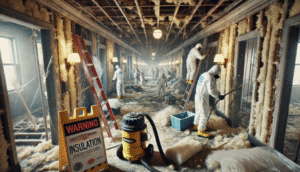
Why a Hotel Would Need Insulation Removal 🏨❄️

Hotel News for Insulation Removal

When most people think about hotel maintenance, they picture fresh linens, polished lobbies, or updated décor. Yet behind the walls, ceilings, and floors lies one of the most overlooked aspects of hotel operations: insulation. While insulation is vital for energy efficiency and guest comfort, there comes a time when insulation removal becomes essential. For hotels, this isn’t just a maintenance task—it can be a necessary step for safety, health, and overall performance. In this article, we’ll explore why insulation removal is critical for hotels, the challenges it solves, and how it directly impacts long-term success in the hospitality industry.


The Hidden Role of Insulation in Hotels

Hotels rely on insulation to maintain comfortable indoor temperatures, reduce energy bills, and create quiet, peaceful environments for guests. With hundreds of rooms, conference spaces, and common areas, insulation is often a silent hero working behind the scenes. However, unlike décor upgrades that are visible, insulation issues can go unnoticed until they cause significant problems. Over time, insulation deteriorates, gets damaged, or becomes contaminated—necessitating removal before replacement.


When Insulation Becomes a Liability

Moisture and Mold Concerns

Moisture intrusion is a common issue in hotels due to leaks, high humidity, and HVAC system problems. Once insulation absorbs water, it becomes a breeding ground for mold. Mold not only damages building materials but also threatens the health of guests and staff. In fact, the presence of mold can lead to poor online reviews and reputational harm—something hotels cannot afford in today’s competitive landscape.

Pest Infestation

Older insulation can attract pests such as rodents, birds, or insects. Contaminated insulation may hold droppings, nests, or bacteria, which compromise indoor air quality. A single pest issue in guest rooms can quickly escalate into a public relations nightmare, making insulation removal a proactive solution.

Fire Hazards

Certain types of outdated insulation are not up to modern fire safety standards. Hotels that have been in operation for decades may still contain older materials that pose a fire risk. Removing and replacing this insulation can drastically improve safety compliance and provide peace of mind.


Energy Efficiency and Sustainability Goals 🌍

Hotels consume enormous amounts of energy, especially in heating and cooling systems. Worn or compacted insulation loses its effectiveness, leading to increased energy costs. By removing degraded insulation and replacing it with new, high-performance materials, hotels can reduce operating expenses and align with sustainability initiatives. With many hospitality brands embracing eco-friendly practices, insulation removal is an essential step in reaching green certifications and sustainability benchmarks.


Guest Comfort and Satisfaction

Comfort is the cornerstone of the hotel experience. Guests expect quiet, climate-controlled rooms free of drafts, odors, or allergens. Old or contaminated insulation can compromise these expectations. For example, insulation that harbors dust or mold may contribute to unpleasant odors or respiratory discomfort. Additionally, soundproofing relies heavily on effective insulation. Insulation removal and replacement can significantly improve acoustics between rooms, ensuring guests enjoy restful stays and return visits.


Renovations and Hotel Upgrades 🛠️

Hotels frequently undergo renovations to remain competitive and meet changing guest preferences. During these upgrades, insulation removal is often necessary. Whether opening up walls, upgrading HVAC systems, or installing new technology, removing old insulation creates a clean slate for improvements. Without removal, renovations may be compromised by lingering issues behind the walls.


Compliance with Health and Safety Regulations

Health codes and building regulations continue to evolve, and outdated insulation may no longer meet current standards. For instance, insulation containing asbestos or hazardous materials must be professionally removed to comply with laws and protect occupants. Hotels that ignore this responsibility face legal risks, fines, and potential closures. Proactive insulation removal ensures compliance and demonstrates a commitment to guest well-being.


Protecting Hotel Reputation and Revenue 💼

In the hospitality industry, reputation is everything. Negative press or poor reviews linked to mold, pests, or health hazards can devastate bookings. Insulation removal is a behind-the-scenes investment that prevents these issues from ever reaching the guest experience. By prioritizing safe, efficient building systems, hotels protect not only their reputation but also long-term revenue streams.


Industry Perspective and News Insights

Hotels around the world are increasingly investing in building maintenance strategies that emphasize sustainability, safety, and comfort. According to Hotel News Resource, the hospitality sector is under growing pressure to reduce its environmental footprint while ensuring the highest level of guest satisfaction. Similarly, Hospitality Net reports that eco-conscious travelers are choosing hotels that actively demonstrate sustainable practices. Finally, insights from Hotel News Now highlight how property upkeep and infrastructure improvements directly influence revenue performance and brand loyalty. These industry perspectives reinforce why tasks like insulation removal are not just maintenance activities but strategic business decisions.


The Long-Term Value of Insulation Removal

While insulation removal may seem like an inconvenience or added expense, it is an investment in a hotel’s future. By addressing hidden risks, improving efficiency, and elevating guest satisfaction, hotels secure long-term value and resilience. Forward-thinking hoteliers understand that every behind-the-scenes improvement contributes to an exceptional guest experience.


Conclusion

Insulation removal is not the first thing that comes to mind when thinking about hotel management, but it plays a critical role in protecting guests, staff, and the property itself. From eliminating mold and pests to improving energy efficiency and ensuring compliance, the benefits are far-reaching. In an industry where reputation and comfort are everything, insulation removal is not just about maintaining a building—it’s about safeguarding a brand. For hotels striving to thrive in a competitive and eco-conscious world, insulation removal is a step that can’t be ignored. 🌟

Would you like me to also create a shorter, guest-facing version of this article that hotels could use on their websites to explain why they might temporarily close sections for insulation removal? That could be useful for transparency and reputation management.

Sizzle, Serve, and Stay: Why an Outdoor Kitchen Is the Smartest Upgrade Your Hotel Can Make in 2025 🍽️🔥

Hotel News for Outdoor Kitchen

Hotels win when they create memorable, shareable moments that keep guests on property longer and inspire repeat stays. Few amenities do that as effectively—as profitably—as a well-designed outdoor kitchen. Picture it: wood-fired aromas drifting across the pool deck, a chef searing local seafood at sundown, guests lingering with spritzes under string lights while a small plate menu keeps spend flowing. That’s not just ambiance—that’s a revenue engine, a brand differentiator, and a guest-satisfaction magnet. In a year when the industry is competing fiercely for leisure and group dollars, an outdoor kitchen can pull double (and triple) duty across dining, events, activation programming, and social content. 🌅📸

Below is a practical, business-minded case for adding an outdoor kitchen to your hotel—how it boosts revenue, amplifies guest experience, supports group business, and pays off operationally with the right design and programming.

Revenue Beyond Rooms: A Powerful Ancillary Engine 📈

Rooms will always be the foundation, but smart hoteliers are widening the lens to total revenue. Industry data shows rooms typically make up about two-thirds of total revenue, leaving a sizable one-third from “other” departments—food & beverage, spa, parking, etc. That non-rooms slice is where an outdoor kitchen thrives. STR’s guidance on total revenue management notes rooms account for ~68% of total revenues on average, underscoring the importance of optimizing ancillary lines. STR

Meanwhile, branded research and market commentary continue to point to a positive (if measured) outlook—conditions that reward high-margin, experiential amenities that keep spend on property. The American Hotel & Lodging Association’s 2025 State of the Industry outlines a robust development pipeline and evolving cost pressures—evidence that owners are still investing, but must invest wisely. An outdoor kitchen that reliably generates F&B, banquet, and event dollars fits that mandate. Read AHLA’s 2025 report (PDF). AHLA

Elevate Guest Experience (and ADR) With Taste-Forward Moments 😋

Travelers are seeking culinary experiences, not just meals. An outdoor kitchen unlocks:

  • Chef-led theater: Live grilling, wood-fire, or plancha stations deliver the “I was there” factor.

  • Regional storytelling: Spotlight local farms, fisheries, and purveyors through seasonal, open-air menus.

  • Programming that sells: Think rosĂŠ-on-the-roof Fridays, taco & mezcal nights, oyster shucks, pasta-al-fresco classes, or brunch on the terrace.

Experiential F&B is a strong lever for rate justification: guests happily pay a little more for an immersive stay that feels like a mini-festival of flavors. Industry trend lines around “experience over things” and outdoor, nature-linked offerings bolster this approach; Skift Research has repeatedly tracked the shift toward more experience-rich hospitality. See Skift’s coverage of evolving luxury and nature-forward experiences. Skift

A Catalyst for Groups, Weddings, and Social Events 💍🎉

Your outdoor kitchen isn’t just a restaurant add-on—it’s event infrastructure. With a flexible layout (service counter + grill + prep + pass), you can run:

  • Welcome receptions with passed bites hot off the grill

  • Wedding after-parties featuring late-night sliders and s’mores bars

  • Corporate team-builders (pizza-making competitions, chef demos)

  • Pop-up markets with local chefs or breweries

Group business has been powering banquet and catering strength across many markets, and with it, the labor and menu strategy must adapt. STR commentary highlights how F&B labor dynamics are shifting as banqueting returns; smart outdoor setups streamline throughput while preserving spectacle. STR And in CBRE’s analysis of F&B performance, department profits surged when offerings and efficiencies were recalibrated—proof that thoughtful concepting and operating models matter. CBRE on F&B performance and margins. CBRE

Keep Guests On-Property Longer (and Spending Happily) 🥂

The classic challenge: guests check in, then leave to dine off-property. An outdoor kitchen changes that behavior by providing a destination within your destination. When the food is craveable, the views are photogenic, and the vibe feels local yet polished, guests linger—ordering another round, adding a dessert, and booking cabanas the next day. The ripple effects include:

  • Incremental F&B (shareables, signature drinks, desserts)

  • Retail tie-ins (house rubs, sauce kits, branded glassware)

  • Amenity cross-sell (pool seating, spa, late checkout)

A strong on-site culinary scene also supports reputation and organic distribution via social—guests become your best influencers when the backdrop is sunset, firelight, and a chef at the grill. 🌇

Design That Works: From Instagrammable to Operable

A beautiful outdoor kitchen still has to run like a machine. Keep these principles front and center:

  • Flow & zoning: Separate guest interaction zones (chef counter, carving station) from back-of-house prep and dish return paths to minimize cross-traffic.

  • Heat & smoke management: Choose equipment (e.g., gas/induction + strategic use of solid fuel where permitted) with proper hooding/ventilation per local code.

  • Speed rails & pass-throughs: A clearly defined pass reduces plate dwell times and keeps temperatures consistent.

  • Menu engineering for outdoors: Prioritize items that hold heat, travel a short distance, and don’t bottleneck the line.

  • Sound, sightlines, lighting: Warm, layered lighting with focused task lights at the pass; ambient sound that complements—not battles—live cooking.

  • Weatherproofing: Overhead protection, wind screens, and radiant heat extend shoulder seasons; misters in high-heat markets protect staff and comfort.

  • Accessibility & inclusivity: Counter heights, circulation space, and seating that welcome all guests.

Sustainability and Efficiency Wins 🌿

An outdoor kitchen can be both experiential and efficient. Induction planchas, energy-smart refrigeration, and water-wise cleanup cut utilities and reduce heat exposure for staff. Thoughtful sourcing (local, seasonal) lowers transport miles and supports your ESG narrative for groups and corporate RFPs. Hospitality education hubs have noted the compounding benefits of smart, sustainable operations—from lower energy usage to increased guest preference. EHL’s hospitality insights on sustainable tech and cost savings. Hospitality Insights

Staffing, Training, and the New F&B Reality 👩‍🍳

Outdoor concepts work best with cross-trained teams who can flex between banquets, outlets, and activations. Build in:

  • Prep discipline: Mise en place in BOH to keep the outdoor line lean.

  • Service choreography: Define roles for greeters, runners, expo, and on-mic chef personalities.

  • Menu guardrails: High-impact, low-complexity SKUs during peak windows; expand only when labor and demand justify it.

As industry notes, F&B labor dynamics remain a key pressure point; aligning your menu and service model with staffing realities is a must. STR flagged a notable rise in F&B labor costs as banqueting rebounds; design and menu choices can mitigate those pressures. STR

Marketing the Moment: Make It Easy to Say “Yes”

Don’t just build it—program it. Promote named nights (e.g., “Coastal Fire Fridays”), limited-run chef collabs, and seasonal pairings. Package room + culinary experiences (two spritzes + terrace tapas), and drop limited seatings to create urgency. Encourage UGC with subtle photo-ready “moments” (neon phrase on brick, signature dish served in a skillet, a dramatic finishing step like torching or carving tableside). Tie in the loyalty program—bonus points for outdoor-kitchen spend during shoulder season keeps locals and staycationers in the mix.

Risk, Codes, and Practicalities (So You Sleep at Night)

  • Local codes & permits: Ventilation, grease management, fire suppression, fuel storage, and staffing certifications vary—bring your architect and local AHJ in early.

  • Neighbors & noise: Directional speakers, hour policies, and acoustic baffling maintain community goodwill.

  • Weather plans: Pre-wired temporary enclosures, mobile heaters, and lightning protocols ensure continuity.

  • Supply continuity: Redundant refrigeration and warming to protect service during peak; backup SKU plans for shorts.

ROI: Where the Payback Comes From

Outdoor kitchens generate returns across multiple lines:

  1. Direct F&B: Premium shareables, live-fire mains, and beverage programs with healthy per-cover averages.

  2. Group & social: Higher capture for receptions and weddings; new rental fees for private use.

  3. Rate support: Elevated experience = stronger ADR defense on peak dates.

  4. Length of stay & on-property spend: Guests who dine on site are likelier to book cabanas, spas, and late checkouts.

  5. Brand & PR: Chef collabs and local partnerships create earned media hooks that a standard buffet never will.

Industry analyses show how recalibrated F&B strategies and efficiencies materially improve departmental profitability—evidence your capex can return quickly when paired with the right operating model. Review CBRE’s findings on F&B profit expansion. CBRE And as macro travel demand trends skew toward richer experiences, properties that stage high-touch, outdoor culinary moments are well-positioned to capture discretionary spend. Skift’s experience trendline. Skift

Implementation Roadmap: From Idea to First Service 🚀

  1. Concept & positioning
    Decide the culinary angle (live-fire coastal, garden-to-grill, Asian charcoal, Southern smoke & small plates). Anchor it to your market story—not a generic rooftop cliché.

  2. Space plan & equipment
    Right-size line equipment to projected covers; prioritize speed-of-service stations, a tight hot line, and a clearly lit pass. Engineer ventilation and grease capture early.

  3. Menu engineering
    Short, craveable, operationally sane. Price for value and velocity. Build in a small “showtime” item to juice social feeds.

  4. Labor model & training
    Cross-train a lean team; define roles by daypart (daytime resort casual vs. evening elevated).

  5. Programming calendar
    Lock a quarterly cadence of themes, collabs, and group-friendly packages before you open.

  6. Marketing & partnerships
    Pre-sell with local purveyors, wineries, or breweries; invite micro-influencers to soft-openings with a simple content brief.

  7. Metrics & iteration
    Track capture rate, check averages, speed-of-service, waste, and guest sentiment; adjust quarterly. (Industry watchers—from STR to CBRE—underscore how agile F&B strategies can protect margins while delighting guests.) STRCBRE

Conclusion

An outdoor kitchen is far more than a pretty patio—it’s a multiplier for revenue, guest delight, and brand storytelling. It keeps travelers on property, creates reasons for locals and groups to gather, and delivers the kind of culinary theater that lights up social feeds and review sites. In a market that rewards authentic experiences and disciplined operations, investing in an outdoor kitchen is one of the smartest ways to differentiate, deepen loyalty, and grow total revenue in 2025 and beyond. 🍷🔥


Authority Links (hotel/hotel-news sources used above)

Why Hotels Need Specialty Medical Billing 🏨💼💉

Hotel News for Specialty Billing

When most people think of hotels, they imagine comfortable rooms, sparkling pools, and attentive staff ready to make a guest’s stay memorable. But behind the scenes, hotels—especially those catering to conventions, long-term guests, or specialized clientele—face unique challenges that extend far beyond hospitality. One often-overlooked area is specialty medical billing. While this service is traditionally associated with hospitals and clinics, hotels are increasingly finding themselves in situations where accurate, compliant, and timely medical billing is essential to their operations.

From accommodating traveling medical patients to managing wellness programs, corporate retreats, and medical tourism packages, hotels can significantly benefit from partnering with a specialty medical billing service. In this article, we’ll break down exactly why this is becoming a necessity for the modern hotel industry.


1. The Rise of Medical Tourism 🌍✈️

Medical tourism is on the rise globally, with millions of people traveling to receive procedures, treatments, or therapies in other cities or countries. Many hotels, particularly in popular tourist destinations, are working alongside healthcare providers to offer medical travel packages.

These packages might include:

  • Pre- and post-surgery accommodations.

  • In-room nursing care.

  • Access to therapy rooms or specialized diets.

When a hotel offers these services, medical billing becomes part of the equation. Having a specialized billing team ensures that claims for medical-related services are filed correctly, whether they go to insurance companies, Medicare, or private payers. This can help hotels avoid costly errors and ensure patients receive the reimbursement they deserve.

Example: A hotel near a top cosmetic surgery clinic could handle dozens of recovery stays every month. Without proper billing, the hotel risks misclassifying charges, delaying payments, and causing frustration for both guests and medical partners.


2. Supporting Long-Term Guests with Medical Needs 🏠❤️

Hotels aren’t always a temporary stop for travelers. Many serve as extended-stay facilities for people undergoing long-term treatments, such as cancer therapy, dialysis, or rehabilitation. These guests may have special medical needs that generate billable services.

For example:

  • Special dietary programs prescribed by a doctor.

  • In-room physical therapy sessions.

  • Medical equipment rentals (oxygen tanks, mobility devices).

Without specialty medical billing, hotels often lump these charges into general hospitality invoices, which makes it harder for insurance to process claims. Partnering with a billing company ensures accurate CPT and ICD-10 coding—the universal language of medical billing—so services are recognized and paid correctly.


3. Liability & Compliance Protection 🛡️📜

Handling anything that qualifies as a medical service—no matter how minor—comes with compliance responsibilities. Medical billing is governed by complex regulations, such as HIPAA and payer-specific rules. Mistakes in coding or submitting claims can result in denied payments, legal liability, or hefty fines.

Hotels often do not have in-house medical billing experts, which makes outsourcing to a specialty medical billing provider the safest option. These professionals understand payer requirements, documentation standards, and compliance safeguards.

Authority Resource: The Centers for Medicare & Medicaid Services (CMS) outlines strict billing rules for all healthcare-related claims. Hotels offering medically related services—no matter how small—must meet these guidelines to remain compliant.


4. Partnering with On-Site Wellness & Health Providers 🧘‍♀️🩺

Many upscale hotels now integrate wellness programs into their offerings—think spa treatments, nutrition counseling, IV therapy, or even chiropractic adjustments. When these services move into the territory of medical-grade care, billing gets more complex.

Why specialty medical billing matters here:

  • Guests can submit claims for reimbursement if services qualify as medical care.

  • Hotels can build stronger relationships with wellness practitioners by managing billing professionally.

  • Accurate records improve trust and repeat business from health-focused travelers.

This is especially true for resorts that cater to high-net-worth guests seeking holistic but medically approved programs. Without proper billing, the hotel risks losing clients who expect a seamless experience from check-in to insurance claim filing.


5. Corporate & Event-Driven Medical Services 🏢🎤💼

Large conferences, conventions, and corporate retreats often require on-site medical support. Whether it’s a team of EMTs, a doctor on-call, or mobile health units, these services come with billable elements.

Hotels that host these events benefit from specialty medical billing in two ways:

  1. Cost Recovery – Accurately bill corporations or insurance for medical coverage provided during events.

  2. Risk Reduction – Ensure all medical services are coded correctly to avoid disputes or unpaid claims.

For example, a major pharmaceutical conference might require on-site nurses for three days. If the billing is handled incorrectly, the hotel could be stuck absorbing thousands of dollars in costs.


6. Streamlining Revenue Management 📊💡

Hotels live and breathe revenue optimization. But without specialized billing processes, medically related services can easily get lost in the accounting shuffle. Specialty medical billing ensures that:

  • Charges are categorized properly.

  • Claims are submitted in a timely manner.

  • Payments are tracked and reconciled.

The result? Improved cash flow and less administrative headache.

Hotels that integrate medical billing into their property management systems can see faster payment cycles and fewer disputes, freeing up time for the staff to focus on guest satisfaction.


7. Enhancing Guest Experience 🌟💬

Ultimately, every hotel’s goal is to make the guest experience as smooth and stress-free as possible. When a guest needs medically related services during their stay, the last thing they want to worry about is complicated billing paperwork.

By offering specialty medical billing as part of the hotel’s service, guests enjoy:

  • Seamless check-out with itemized medical invoices.

  • Direct claim submission to insurance companies.

  • Reduced out-of-pocket surprises.

This not only builds guest loyalty but also sets the hotel apart from competitors that offer only basic billing capabilities.


8. The Competitive Advantage 🏆🚀

In a saturated hospitality market, hotels are constantly seeking ways to differentiate themselves. Partnering with a specialty medical billing company allows them to market themselves as medical-travel friendly or healthcare-integrated accommodations.

This can open up entirely new revenue streams:

  • Partnerships with local hospitals and clinics.

  • Exclusive recovery packages for international patients.

  • Hosting specialized events such as health retreats, rehabilitation programs, or sports recovery camps.

With global health and wellness travel projected to grow rapidly in the coming years, hotels that prepare now with the right billing infrastructure will be well-positioned to capture this demand.


Conclusion

While it might seem unusual at first, specialty billing is becoming an increasingly valuable tool for hotels. From supporting medical tourism and extended-stay patients to ensuring compliance, protecting revenue, and enhancing guest satisfaction, the benefits are clear.

Hotels that embrace this service not only improve their bottom line but also provide a higher level of care and convenience to guests. In an age where travelers expect personalized, stress-free experiences, handling medical billing professionally can be the extra touch that earns loyalty and repeat business.

In short: Hotels that invest in specialty medical billing aren’t just offering rooms—they’re offering peace of mind. 🛎️💙

🌳 Why Every Hotel Should Invest in a Tree Risk Assessment (Before It’s Too Late!)

Hotel News for Tree Risk Assessment

The Hidden Risk in Your Hotel’s Landscape 🌿

You’ve crafted the perfect guest experience—crisp linens, warm welcomes, five-star amenities, and lush, inviting landscapes. But what if that beautiful shade tree outside the lobby entrance is a ticking time bomb?

For hotels, the outdoor experience is just as important as the indoor one. Guests remember the gentle sway of palms, the vibrant autumn leaves, or the cool shade of mature oaks. But few hotel owners realize that a single weak limb, an unstable root system, or an unseen fungal infection could turn that peaceful tree into a costly lawsuit—or worse, a tragic accident.

That’s where a Tree Risk Assessment (TRA) comes in.

If you’re running a hotel, you can’t afford to overlook the trees on your property. In this article, we’ll dig into why Tree Risk Assessments are essential for hotels, what they involve, the risks of skipping them, and how they can actually save you money, boost your reputation, and protect lives. 🌎


The Role of Trees in the Hotel Experience 🌴

Trees are more than ornamental. They’re part of your hotel’s brand identity. A well-landscaped property evokes luxury, tranquility, and care—values that align perfectly with the hospitality industry. According to the International Society of Arboriculture (ISA), healthy trees increase property value by up to 20% (source).

Think about:

  • A boutique hotel nestled under historic live oaks.

  • A coastal resort shaded by swaying palms.

  • A mountain lodge framed by pines and maples.

The ambiance trees create is priceless—but their unseen risks can be just as dramatic.


What Is a Tree Risk Assessment? 🌲

A Tree Risk Assessment is a professional evaluation conducted by a Certified Arborist—usually one with additional credentials like Tree Risk Assessment Qualification (TRAQ) from the ISA. The arborist inspects trees for:

  • Structural defects (cracks, weak limb unions, root instability)

  • Disease or pest issues

  • Proximity to high-traffic areas (like walkways, patios, parking lots)

  • Likelihood of failure (and consequences if failure occurs)

The goal is to evaluate the likelihood of tree failure and the potential damage it could cause. The arborist then makes recommendations for mitigation, which might include pruning, cabling, or even removal.

A full TRA is often documented with photos, diagrams, and a risk rating scale—ideal for insurance documentation or municipal compliance.


Why Hotels Are Especially Vulnerable to Tree Risk Liability ⚠️

Hotels face unique exposures when it comes to tree-related risks:

1. High Guest Volume = Higher Legal Liability

A falling branch in your backyard might be inconvenient. A falling branch in your hotel’s courtyard could result in a six-figure personal injury lawsuit. Hotels welcome guests from all over the world—families, business travelers, and wedding parties—all of whom expect to be safe on your grounds.

According to the National Safety Council, injuries from falling trees or branches are rare but highly severe when they occur (source). Add high foot traffic, outdoor dining areas, and valet drop-offs to the equation, and you have a recipe for potential disaster if risks go unchecked.

2. Outdoor Amenities Are Increasingly Common

Hotels are investing in outdoor lounges, pools, yoga platforms, and event lawns. These are fantastic for guest satisfaction—but they also increase exposure to tree-related risks.

Imagine a 200-person wedding reception under a cluster of elms—what happens if one splits due to internal decay? The consequences go far beyond property damage.

3. Trees Are Often Overlooked During Property Inspections

Hotel GMs routinely check plumbing, HVAC systems, fire alarms—but trees? Not so much. Many trees grow slowly, hiding their issues until it’s too late. Without a TRA, you may not notice decay, weak branches, or disease until a failure occurs.


Real-World Hotel Tree Failures (That Could’ve Been Avoided) 💸

  • Santa Barbara, CA (2016): A large eucalyptus tree fell on a wedding party at a resort, killing one person and injuring five. The hotel faced millions in damages.

  • Orlando, FL (2020): A diseased oak fell onto a valet station during a storm, injuring two employees and damaging multiple vehicles. The aftermath included lawsuits and negative PR.

  • Napa Valley, CA (2018): A historic inn was forced to remove several century-old oaks after a branch fell near guests. The removal was sudden, expensive, and emotionally charged—had an earlier TRA been done, alternatives like cabling or bracing might have saved the trees.


Top Benefits of Tree Risk Assessment for Hotels ✅

1. Reduce Legal Exposure

By proactively assessing risk, you demonstrate a duty of care. If an incident does occur despite mitigation, having documented assessments can protect you legally and potentially reduce liability.

2. Preserve Trees Through Strategic Intervention

A TRA doesn’t mean chopping down your favorite tree—it means understanding it. With early detection, many issues can be mitigated with cabling, pruning, or soil treatment instead of removal.

3. Insurance Compliance and Favorable Premiums

Some commercial property insurers may request or require documented assessments after a claim or during high-risk seasons. Providing Tree Risk Assessments can lead to lower premiums and smoother claims processes.

4. Reinforce Guest Safety and Brand Trust

Just like lifeguards at the pool or keycard-only elevators, a TRA adds another layer of guest safety. Safety-conscious guests (and corporate clients) notice and appreciate responsible property management.

5. Avoid Costly Emergency Services

Storms, high winds, or even heavy snow can turn a hidden defect into a catastrophe. A preventive TRA helps avoid 2 a.m. calls to emergency tree removal crews—which can cost $5,000+ per incident.


What Happens If You Skip a Tree Risk Assessment? 🌩️

Hotels that neglect Tree Risk Assessments are gambling with:

  • Guest injuries

  • Vehicle/property damage

  • Insurance claims and rate hikes

  • Bad reviews or media coverage

  • Loss of bookings and reputation

Plus, some municipalities have ordinances requiring risk assessments for commercial properties, especially if near public rights-of-way. Ignoring this may lead to code violations and fines.


Signs Your Hotel Needs a Tree Risk Assessment Now 🚨

If you notice any of the following, don’t wait:

  • Trees leaning toward buildings or walkways

  • Large dead branches (especially over gathering areas)

  • Mushrooms or fungal growth on trunks

  • Cracks in bark or soil heaving near the base

  • Sudden yellowing or thinning of foliage

  • Branches overhanging rooftops, pools, or patios

  • Trees planted decades ago with no recent inspection

Even if your trees look healthy, internal decay or root instability can go unnoticed without a trained eye.


What to Look for in a Tree Risk Assessment Provider 🌐

Not all tree services are created equal. Look for:

  • ISA Certified Arborist with TRAQ (Tree Risk Assessment Qualification)

  • Commercial liability insurance

  • Experience with hospitality or commercial properties

  • Written reports with photos and clear action items

  • Willingness to work with your landscape team or facility manager

You can search for a qualified arborist via the ISA’s official directory.


Your Hotel’s Tree Canopy Is an Asset—Protect It 🌳💼

Healthy, well-managed trees are an incredible asset for hotels. They reduce cooling costs, beautify the grounds, and create unforgettable guest moments. But that same tree, if ignored, can become a devastating liability.

A Tree Risk Assessment is not a cost—it’s an investment in safety, brand trust, and long-term landscape health. It’s about protecting people and preserving nature.

Whether you manage a luxury resort or a boutique inn, a simple TRA today can prevent a costly crisis tomorrow. The peace of mind you gain is worth far more than the cost of the assessment itself.


Conclusion: Don’t Wait for a Crisis—Act Now 🌟

If you’ve never had a professional Tree Risk Assessment done for your hotel, now is the time.

You don’t need a storm, lawsuit, or guest injury to recognize the urgency. You just need a commitment to excellence—not just inside your rooms, but on your grounds, where nature meets hospitality.

🌳 Schedule a Tree Risk Assessment today and turn risk into resilience.

👉 Find a Certified Arborist Here
👉 Or reach out to a consulting arborist who specializes in Tree Law and expert witness services for hotels and commercial properties.

Your trees are talking. Make sure you’re listening. 🌿

Why Hotels Need to Invest in Plastic Pallets: A Modern Upgrade for Operational Efficiency 🏨📦

Hotel News for Plastic pallets

The Overlooked Hero in Hospitality Logistics

In the fast-paced world of hospitality, where customer service reigns supreme and operational efficiency determines profitability, most hotel executives don’t often think about… pallets. Yet, behind every seamless check-in, stocked minibar, or clean banquet hall, there’s a logistical ballet happening backstage. And at the heart of that performance? Pallets. 🏗️

Traditionally, wood pallets have been the go-to for transporting and storing goods. But now, plastic pallets are reshaping the game—offering hotels cleaner, safer, longer-lasting solutions for back-of-house operations, food service logistics, laundry handling, waste management, and more. Whether you’re running a luxury resort, an urban boutique hotel, or a major convention center, the case for switching to plastic pallets is compelling.

This isn’t about swapping one piece of equipment for another—it’s about optimizing your entire supply chain, protecting your brand image, and investing in long-term sustainability 🌍.


Why Plastic Pallets Outshine Wooden Ones in the Hospitality Industry

1. Hygiene Matters in Hospitality 🧼

Hotels deal with constant movement of food, linens, cleaning products, and more. Wooden pallets are porous and prone to absorbing moisture, mold, bacteria, and even pests. That’s a serious hygiene risk, especially for operations that deal with food service or guest-facing supplies.

Plastic pallets, by contrast, are non-porous, easy to clean, and often compliant with food safety regulations. According to the FDA, cleanliness in handling surfaces is essential, especially when food contact or linen cleanliness is involved. Plastic pallets can be pressure washed or wiped down without worry—perfect for a hotel that prioritizes guest health and sanitation.

Pro Tip: Hotels with in-house restaurants or large banquet operations should consider plastic pallets to ensure their cold storage and food delivery operations remain fully sanitary.


2. Durability That Saves You Money 💸

Let’s talk economics. Wooden pallets crack, splinter, warp, and break. That means more frequent replacements, and when you consider the scope of operations in a full-scale hotel, those costs add up fast.

Plastic pallets, on the other hand, are built to last. Many have a life span 10 times longer than wood. That longevity translates into lower replacement costs and fewer disruptions, which is crucial during peak occupancy seasons or major event hosting.

According to a study by Modern Materials Handling, businesses that switched to plastic pallets reported significant cost reductions over five years due to lower maintenance and replacement rates.


3. Safer for Staff and Guests 🚫🪵

Safety is another major concern for hospitality operations. Wooden pallets can splinter or have exposed nails, increasing the risk of injury to hotel staff during transport and storage. Plus, damaged wood can collapse under weight, endangering both people and property.

Plastic pallets eliminate those risks. They’re typically molded in one solid piece, with no sharp edges, nails, or loose parts. Many are also ergonomically designed to reduce strain during lifting or moving, reducing workplace injuries and keeping your team safer.

A safer environment means fewer workers’ compensation claims and a happier, healthier staff—which directly affects service quality.


4. Weather and Climate Resistant 🌦️

Many hotel chains operate across different climates—some deal with humid tropics, while others face cold winters or high moisture areas near pools, kitchens, or laundry rooms. Wooden pallets don’t hold up well in these environments. They rot, mildew, or become slippery.

Plastic pallets remain impervious to water, mold, or mildew. They perform just as well in a Florida beachfront resort as they do in a snowy mountain lodge in Colorado. That all-weather resilience means fewer worries for the facilities and supply chain teams.


5. Eco-Friendly and Sustainable 🌱♻️

Hotels today are under increasing pressure to demonstrate sustainability practices. From LEED certification to Green Key Eco-Rating, the focus on environmentally responsible choices has never been stronger.

Enter plastic pallets—many of which are made from 100% recycled plastic and are fully recyclable at end-of-life. That means your hotel reduces its environmental footprint, while promoting a circular economy.

Plus, switching to long-lasting pallets reduces waste, one of the core tenets of sustainable hospitality operations.


6. Standardized Sizes and Compatibility 🧩

Hotels rely on a wide range of equipment, shelving, and racking systems. Wooden pallets, often irregular or damaged, can throw a wrench in the workflow.

Plastic pallets are manufactured to exact specifications—standard sizes, consistent weight distribution, and compatibility with forklifts, pallet jacks, and automated systems. That means fewer delays, less product damage, and smoother flow of goods throughout the property.

This is especially helpful in laundry transport, banquet material setup, or bulk storage for housekeeping supplies—where time and efficiency are everything.


7. They Look More Professional 👔

Hotel brand image matters. A poorly maintained back-of-house says a lot about how a business runs. If a delivery driver walks into your storage area and sees broken wooden pallets, splinters, and mess, it reflects poorly on your brand—even if guests never see it.

Plastic pallets offer a clean, uniform, and professional appearance. They can be color-coded for different departments (e.g., housekeeping, food service, maintenance) and even branded with your hotel’s name or logo.

It’s a subtle shift—but for luxury brands or high-end resorts, this added level of professionalism can further align with the overall brand promise.


8. Easier Integration with Automation and RFID 🧠📡

As more hotels embrace automation in their logistics and housekeeping operations, it’s important to have equipment that integrates smoothly with new technology. Many plastic pallets are RFID-ready, meaning they can work with inventory tracking, asset management, and smart logistics systems.

That’s a game-changer for large hotel chains that rely on centralized warehousing or smart housekeeping systems. Real-time tracking, improved accuracy, and seamless integrations can make your hotel run like a well-oiled machine.


9. Lower Carbon Footprint in Shipping 🛻🌍

Plastic pallets are lighter than wooden ones—some by up to 30% less in weight. That means less fuel consumption during transport, lower emissions, and lower shipping costs. For hotels receiving daily or weekly shipments, those savings stack up quickly.

With the global hospitality sector increasingly focused on carbon neutrality, this lighter, more fuel-efficient option is another powerful reason to make the switch.


10. Custom Features and Specialized Designs 🛠️

Need pallets with nestable designs to save space in your crowded back dock? Looking for plastic pallets with anti-slip features or drainage holes? Today’s market offers an enormous variety of customizable plastic pallet options—perfectly suited to the specific needs of a hotel.

Whether it’s a food-grade plastic pallet for your banquet operation or an extra-durable one for laundry room logistics, there’s a model that fits.

Explore providers that offer FDA-compliant, rackable, stackable, and export-ready plastic pallets for all operational needs. Hotels that invest wisely in these tools see measurable gains in both efficiency and staff satisfaction.


Conclusion: The Smart, Sustainable Choice for Hospitality Operations 🏨✅

Plastic pallets near me might not be the first investment a hotel manager thinks of—but they should be.

From enhancing safety and hygiene to reducing long-term costs, from supporting sustainability goals to improving operational efficiency, plastic pallets offer undeniable advantages over outdated wooden ones.

Hotels looking to modernize their logistics, improve behind-the-scenes efficiency, and align with 21st-century sustainability practices need to consider this upgrade. It’s a small change with massive ripple effects—from the back dock to the guest room.

📦 Whether you’re managing a luxury chain or an independent boutique property, now is the time to invest in plastic pallets—and future-proof your hotel’s success.


Authority Links to Explore More:

Why Every Hotel Project Needs Professional Land Clearing Services 🏨🌳

Hotel News for Land Clearing

Clearing the Way for Hospitality Excellence

Before the first brick is laid or the first guest checks in, every hotel project begins with one critical step—clearing the land. Land clearing isn’t just the removal of trees and brush; it’s the strategic preparation of a site to become a welcoming, safe, and functional environment for future guests. Whether building a luxury resort, expanding a boutique inn, or updating an aging property, professional land clearing sets the stage for a successful hotel project.

In the competitive world of hospitality, a pristine, well-prepared location can make all the difference. From ensuring environmental compliance to enhancing curb appeal and streamlining construction timelines, land clearing is a foundational service with long-term benefits. In this article, we’ll uncover why hotels, both new builds and renovations, should never overlook this crucial step.


Land Clearing: More Than Just Removing Trees 🌲🚜

Land clearing involves the removal of vegetation, trees, stumps, debris, rocks, and other obstacles from a parcel of land. For hotels, this isn’t just a construction necessity—it’s a strategic investment in future operations.

1. Preparing the Ground for Construction

Hotels require level, stable ground for building foundations, parking areas, pools, and walkways. Uneven terrain, overgrown vegetation, or buried debris can cause:

  • Delays in construction

  • Structural complications

  • Unnecessary costs

Professional land clearing companies use advanced machinery and surveying techniques to not only clear the land but also grade and prepare it for architectural design and utility installation.

2. Optimizing Space for Amenities

Most guests don’t just want a place to sleep—they want an experience. That means hotels often plan for outdoor pools, gardens, event lawns, patios, and recreational facilities.

Clearing land enables:

  • Open space for future amenities

  • Expansion opportunities for new buildings or outdoor features

  • Enhanced visibility for signage and curb appeal

Without proper land clearing, these potential revenue generators can remain untapped or improperly utilized.

3. Improving Site Safety

Uncleared land poses significant safety hazards. Dead trees, stumps, and uneven terrain increase the risk of injury during construction and can result in:

  • Worksite accidents

  • Damage to construction equipment

  • Increased insurance costs

By hiring a qualified land clearing company, hotel developers can mitigate these risks early in the project timeline.

4. Supporting Environmental Compliance 🐾

Sustainable building practices are no longer a trend—they’re an expectation. Land clearing done wrong can lead to erosion, flooding, or destruction of protected habitats. Done right, it can contribute to sustainability goals and prevent costly fines.

According to the Environmental Protection Agency (EPA), managing stormwater runoff and preserving natural buffers during development is critical. A reputable land clearing contractor understands how to:

  • Protect wetlands and native vegetation

  • Control erosion and sedimentation

  • Follow local and federal environmental regulations

In some areas, environmental assessments are mandatory before any clearing can begin, especially when endangered species or water bodies are nearby. Proper planning ensures a smooth path to approval.


Why Hotels Can’t Afford to DIY Land Clearing ❌

While it may be tempting to cut costs and manage land clearing in-house or with general contractors, this approach can lead to long-term problems. Professional land clearing companies bring:

  • Specialized Equipment: Bulldozers, excavators, mulchers, and stump grinders tailored for various land types

  • Trained Personnel: Operators skilled in safety and environmental best practices

  • Permitting Expertise: Assistance with acquiring local land development and tree removal permits

According to Construction Executive, site preparation—including land clearing—is one of the top causes of cost overruns when not executed properly. An experienced land clearing team helps hotels avoid unexpected expenses, fines, and delays.


Scenarios Where Hotels Need Land Clearing 🏗️

New Hotel Construction

When building a hotel from the ground up, raw land must be converted into a build-ready site. Whether in urban, suburban, or rural areas, clearing is often the first stage of development.

Key activities include:

  • Removing trees and brush

  • Leveling and grading

  • Excavating rocks or boulders

  • Clearing utility paths for water, electricity, and sewage

Hotel Expansion Projects

Growing demand may lead a hotel to expand. Perhaps you want to add:

  • A new wing of rooms

  • Outdoor event space

  • A rooftop garden or bar

All of these require strategic land preparation. Without proper clearing, the expansion could be delayed or built inefficiently.

Storm or Fire Recovery

After severe weather or natural disasters like wildfires, land clearing is essential for cleanup and rebuilding. Hotels located in regions prone to hurricanes, flooding, or wildfires must act quickly to:

  • Remove fallen trees or hazardous debris

  • Reclaim lost acreage

  • Prevent mold and structural damage

According to FEMA, safe debris removal is a critical step in post-disaster recovery for any commercial property.

Rebranding or Repositioning Projects

Hotels undergoing a brand refresh may want to:

  • Redesign outdoor areas

  • Reorient entrances

  • Improve landscaping

Land clearing allows hotel operators to reimagine their grounds and update the property to meet modern guest expectations.


Financial and Operational Benefits for Hotels 💰

When land clearing is done right, hotels can benefit in several ways:

1. Increased Property Value

Cleared, graded land adds value to hotel real estate. It demonstrates readiness for development or expansion and improves buyer or investor perception.

2. Faster Time-to-Opening

Construction delays cost money. A clean, hazard-free site ensures building timelines stay on track, accelerating the grand opening.

3. Reduced Maintenance Costs

Removing invasive plant species, rotting stumps, or unstable trees lowers long-term landscaping and repair costs.

4. Enhanced Guest Experience

From the moment a guest drives up to the property, the visual appeal of the land matters. Clear, thoughtfully designed outdoor spaces can lead to better reviews, increased bookings, and higher satisfaction.


Regulations and Permits: The Hidden Hurdles 📝

Every city, county, and state has its own regulations around land clearing. Hotel developers must navigate:

  • Tree protection ordinances

  • Soil disturbance limits

  • Protected species laws

  • Water run-off regulations

Failing to follow these can result in:

  • Fines

  • Stop-work orders

  • Delayed or denied permits

That’s why partnering with a land clearing company experienced in local laws is essential. Many professionals work closely with city planners and environmental consultants to ensure full compliance from the outset.


Land Clearing as a Strategic Step in Hotel Branding 🌅

Today’s travelers are looking for more than convenience—they’re seeking experiences, aesthetics, and sustainability. The land surrounding a hotel plays a major role in:

  • First impressions

  • Photo-worthy moments

  • Outdoor relaxation areas

  • Event hosting potential

A cleared, beautiful, and purposeful landscape enhances your brand’s positioning as a thoughtful, upscale, or eco-conscious hotel.


What to Look for in a Land Clearing Partner 🤝

If you’re in the planning stages of a hotel project, here’s what you should look for in a land clearing contractor:

  • Licensed and Insured: Protect your project from liability

  • Experience with Commercial Projects: Hotels require a higher level of planning and detail than residential jobs

  • Environmental Knowledge: Ability to follow conservation laws

  • Equipment and Crew Size: Can they handle your project’s scope and timeline?

  • Reputation: Look for positive reviews and referrals

Bonus if they offer grading, excavation, erosion control, and permit support—so you’re working with one strategic partner instead of many disconnected vendors.


Conclusion: Your Hotel’s Foundation Begins With the Land 🌎

Land clearing is more than just bulldozing trees—it’s about shaping the future of your hotel. From safety and compliance to branding and guest experience, clearing your land the right way unlocks possibilities that sloppy or delayed site prep simply can’t.

If you’re planning to build, expand, or renovate your hotel, now is the time to bring in a trusted land clearing company. The right team won’t just move dirt—they’ll move your vision forward with purpose, precision, and professionalism.

So before you pour concrete, install luxury finishes, or advertise your opening date… make sure your land is as ready to serve your guests as your staff will be. 💼🌿


Need expert land clearing for your hotel project? Don’t risk delays, fines, or safety issues. Hire a team that understands your vision and prepares your site for success from the ground up.

👉 Explore the EPA’s best practices for construction site management

👉 Review FEMA’s debris removal guidelines

👉 Stay informed on tree ordinances by region

Let your first step be your strongest one. Clear the land—and clear the path to hotel success. 🏗️✨

🚛🏨 Bridging the Gap: Why Seattle Hotels Should Partner with CDL Driving Schools

Hotel News for CDL Driving School

Seattle, renowned for its vibrant culture, bustling port, and thriving tech industry, is also a pivotal hub for transportation and logistics in the Pacific Northwest. As the city continues to grow, so does the demand for skilled Commercial Driver’s License (CDL) holders to support its expanding infrastructure. Simultaneously, the hospitality sector, particularly hotels, seeks innovative ways to enhance guest experiences and streamline operations. A strategic partnership between Seattle hotels and local CDL driving schools presents a unique opportunity to address workforce challenges, improve service quality, and foster community engagement.

The Synergy Between Hospitality and Transportation

Addressing the Driver Shortage

The United States faces a significant shortage of qualified truck drivers, with estimates suggesting a need for over 80,000 drivers nationwide. Seattle, with its strategic location and booming economy, is no exception. CDL driving schools, such as 160 Driving Academy and A Class Training, play a crucial role in training and certifying new drivers to meet this demand.

By partnering with these institutions, hotels can tap into a pipeline of trained professionals to fill roles such as shuttle drivers, valet attendants, and logistics coordinators. This collaboration not only addresses staffing shortages but also ensures that hotel transportation services are managed by individuals with specialized training and a commitment to safety.

Enhancing Guest Experience

Hotels constantly seek ways to differentiate themselves and provide exceptional service to guests. Incorporating professionally trained drivers into hotel operations can significantly enhance the guest experience. For instance, guests arriving from Seattle-Tacoma International Airport would appreciate prompt, courteous, and safe shuttle services managed by CDL-certified drivers.

Moreover, hotels can offer unique experiences, such as guided tours or transportation to local attractions, leveraging the skills of these drivers. Such services not only add value to the guest experience but also open additional revenue streams for the hotel.

Mutual Benefits of the Partnership

For Hotels

  1. Reliable Staffing Solutions: Collaborating with CDL schools provides hotels with access to a steady stream of qualified candidates, reducing recruitment time and costs.

  2. Improved Service Quality: CDL-trained drivers bring professionalism and expertise, ensuring high-quality transportation services for guests.

  3. Community Engagement: Supporting local educational institutions demonstrates corporate social responsibility and strengthens community ties.

  4. Operational Efficiency: Trained drivers can manage logistics more effectively, optimizing routes and schedules to enhance efficiency.

For CDL Driving Schools

  1. Employment Opportunities for Graduates: Partnerships with hotels offer immediate job placements for graduates, enhancing the school’s reputation and appeal.

  2. Real-World Training Environments: Hotels can provide practical training scenarios, allowing students to gain hands-on experience in a controlled setting.

  3. Expanded Curriculum: Collaborations can lead to the development of specialized training modules tailored to the hospitality industry.

  4. Increased Visibility: Associating with reputable hotels elevates the school’s profile, attracting more students and potential partnerships.

Case Studies: Successful Collaborations

Lotte Hotel Seattle and Lexus Partnership

While not directly related to CDL training, the Lotte Hotel Seattle’s partnership with Lexus exemplifies the benefits of strategic collaborations between hotels and transportation entities. Guests enjoy complimentary transportation within a two-mile radius in luxurious Lexus vehicles, enhancing their stay and showcasing the hotel’s commitment to premium service.

Engine’s Lodging Solutions for Truckers

Engine offers hotel discounts for truck drivers, demonstrating the potential of aligning hospitality services with the needs of the transportation sector. Such initiatives highlight the mutual benefits of catering to the unique requirements of CDL holders.

Implementing the Partnership: Steps for Success

  1. Identify Common Goals: Both parties should outline their objectives, ensuring alignment and mutual benefit.

  2. Develop Training Programs: Hotels and CDL schools can co-create training modules that address specific needs, such as customer service skills for drivers.

  3. Establish Internship Opportunities: Providing students with hands-on experience in hotel settings bridges the gap between training and employment.

  4. Monitor and Evaluate: Regular assessments ensure the partnership meets its goals, allowing for adjustments and continuous improvement.

Conclusion

The intersection of Seattle’s hospitality and transportation sectors presents a fertile ground for innovative collaborations. By partnering with a Seattle CDL driving school, hotels can address staffing challenges, enhance guest experiences, and contribute to workforce development. Simultaneously, CDL schools benefit from real-world training opportunities and increased employment prospects for their graduates. Such symbiotic relationships not only drive operational excellence but also foster community engagement and economic growth in the region.