
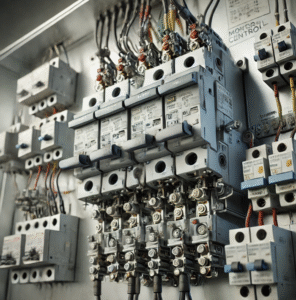
Hotels operate like living organisms—lights, elevators, HVAC systems, kitchens, laundries, and pools all working together around the clock to provide comfort and safety to guests. Behind the elegant lobbies and quiet hallways is an intricate electrical network that keeps everything running seamlessly. At the heart of this system is motor control for circuit breakers—an often-overlooked but absolutely vital component in maintaining reliable operations.
Without proper motor control, hotels face risks ranging from sudden blackouts to costly equipment failures and, most importantly, compromised guest safety. This article will explore why motor control for a circuit breaker is so important for hotels and how it serves as a backbone for operational excellence.
1. Ensuring Guest Safety 👷♂️
Guest safety is the highest priority for any hotel. Circuit breakers protect electrical systems from overloads and short circuits, while motor control ensures that these breakers engage or disengage at the right time and under the right conditions.
When an overload occurs—say, during peak laundry operations or when multiple HVAC systems kick on at once—motor control allows the circuit breaker to react instantly, shutting down the affected system before it overheats or sparks a fire. According to the National Fire Protection Association (NFPA), electrical distribution systems are a leading cause of structure fires in hospitality buildings【https://www.nfpa.org/】. Proper motor control significantly reduces this risk.
By maintaining a responsive system, hotels provide peace of mind not only to staff but also to the hundreds of guests relying on safe, uninterrupted power during their stay.
2. Powering Critical Hotel Systems 🔌
Hotels are unique in their heavy reliance on motors:
-
Elevators need consistent, controlled power to operate safely.
-
Air conditioning and heating units depend on motor-driven compressors.
-
Commercial kitchens and laundries use motor-powered equipment daily.
-
Pool and spa facilities require pumps to function continuously.
Circuit breakers alone cannot manage the nuanced operation of these systems. Motor control adds the intelligence layer—regulating start-up surges, maintaining voltage stability, and ensuring motors do not burn out under strain. Without it, even minor electrical imbalances could lead to disruptive shutdowns.
The U.S. Department of Energy highlights that motor systems account for nearly 50% of industrial electricity use【https://www.energy.gov/】. For hotels, that means nearly half of their electrical consumption depends on controlled motor operation.
3. Preventing Downtime and Protecting Revenue 💸
Downtime in a hotel is not just an inconvenience—it’s a financial blow. Imagine an elevator being out of service in a 15-floor hotel or an HVAC system failing during peak summer travel. Negative guest experiences quickly turn into poor reviews, and poor reviews translate directly into lost revenue.
Motor control ensures circuit breakers manage loads dynamically, preventing nuisance trips that can disrupt service. Instead of full shutdowns, motor control can allow staged power distribution, keeping essential systems operational while isolating the issue.
Hotels that invest in advanced motor control systems see reduced maintenance costs, longer equipment lifespan, and fewer service interruptions. For management, that means predictable operations and stronger profit margins.
4. Compliance with Electrical Standards and Codes 📜
Hotels must comply with strict electrical safety codes, many of which mandate protective motor control systems. For example:
-
OSHA regulations require employers (including hotels) to protect employees from electrical hazards【https://www.osha.gov/】.
-
Local building codes often require motor protection for large electrical loads.
Failing to implement proper motor control not only risks fines and legal liabilities but also increases the chance of insurance complications in the event of an incident. By maintaining compliant motor control and circuit breaker systems, hotels protect themselves from regulatory setbacks.
5. Improving Energy Efficiency 🌱
Hotels consume vast amounts of energy, with electrical costs being one of the top operational expenses. Motor control systems make circuit breakers smarter, allowing them to optimize motor usage by:
-
Reducing start-up spikes (which cause energy waste).
-
Monitoring real-time demand and adjusting accordingly.
-
Minimizing idle energy losses in pumps, fans, and compressors.
According to the U.S. Environmental Protection Agency (EPA), improving motor efficiency can cut energy use by up to 30% in some facilities【https://www.epa.gov/】. For hotels, this translates into significant cost savings and supports green initiatives—something many modern travelers care about when choosing accommodations.
6. Enhancing Guest Comfort and Experience 🌟
Ultimately, every hotel’s reputation hinges on guest experience. Power interruptions, broken air conditioning, or inoperative elevators instantly diminish the guest’s impression.
Motor control helps prevent these frustrations by ensuring electrical systems remain stable and reliable. Smooth motor operation keeps elevators quiet, HVAC systems comfortable, and kitchen services uninterrupted—all critical elements for guest satisfaction. In a competitive industry, where online reviews make or break a brand, these behind-the-scenes protections translate into five-star experiences.
Conclusion: The Hidden Backbone of Hotel Operations 🏨⚡
While most guests will never think about a circuit breaker or a motor controller during their stay, hotel owners and facility managers know that these components are the backbone of safe, efficient, and profitable operations. Motor control for circuit breakers ensures:
-
Guest safety from electrical hazards.
-
Reliable operation of critical hotel systems.
-
Reduced downtime and maintenance costs.
-
Compliance with safety codes and regulations.
-
Increased energy efficiency and sustainability.
-
Enhanced guest comfort and satisfaction.
In short, motor control is not just a technical detail—it’s an investment in a hotel’s reputation, revenue, and long-term success. A well-run hotel doesn’t just look beautiful on the outside; it runs flawlessly behind the scenes, powered by smart motor control systems that keep everything humming.
✅ By focusing on motor control for circuit breakers, hotels position themselves as reliable, safe, and sustainable destinations—earning guest loyalty and securing long-term profitability.