
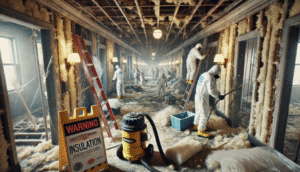
When most people think about hotel maintenance, they picture fresh linens, polished lobbies, or updated décor. Yet behind the walls, ceilings, and floors lies one of the most overlooked aspects of hotel operations: insulation. While insulation is vital for energy efficiency and guest comfort, there comes a time when insulation removal becomes essential. For hotels, this isn’t just a maintenance task—it can be a necessary step for safety, health, and overall performance. In this article, we’ll explore why insulation removal is critical for hotels, the challenges it solves, and how it directly impacts long-term success in the hospitality industry.
The Hidden Role of Insulation in Hotels
Hotels rely on insulation to maintain comfortable indoor temperatures, reduce energy bills, and create quiet, peaceful environments for guests. With hundreds of rooms, conference spaces, and common areas, insulation is often a silent hero working behind the scenes. However, unlike décor upgrades that are visible, insulation issues can go unnoticed until they cause significant problems. Over time, insulation deteriorates, gets damaged, or becomes contaminated—necessitating removal before replacement.
When Insulation Becomes a Liability
Moisture and Mold Concerns
Moisture intrusion is a common issue in hotels due to leaks, high humidity, and HVAC system problems. Once insulation absorbs water, it becomes a breeding ground for mold. Mold not only damages building materials but also threatens the health of guests and staff. In fact, the presence of mold can lead to poor online reviews and reputational harm—something hotels cannot afford in today’s competitive landscape.
Pest Infestation
Older insulation can attract pests such as rodents, birds, or insects. Contaminated insulation may hold droppings, nests, or bacteria, which compromise indoor air quality. A single pest issue in guest rooms can quickly escalate into a public relations nightmare, making insulation removal a proactive solution.
Fire Hazards
Certain types of outdated insulation are not up to modern fire safety standards. Hotels that have been in operation for decades may still contain older materials that pose a fire risk. Removing and replacing this insulation can drastically improve safety compliance and provide peace of mind.
Energy Efficiency and Sustainability Goals 🌍
Hotels consume enormous amounts of energy, especially in heating and cooling systems. Worn or compacted insulation loses its effectiveness, leading to increased energy costs. By removing degraded insulation and replacing it with new, high-performance materials, hotels can reduce operating expenses and align with sustainability initiatives. With many hospitality brands embracing eco-friendly practices, insulation removal is an essential step in reaching green certifications and sustainability benchmarks.
Guest Comfort and Satisfaction
Comfort is the cornerstone of the hotel experience. Guests expect quiet, climate-controlled rooms free of drafts, odors, or allergens. Old or contaminated insulation can compromise these expectations. For example, insulation that harbors dust or mold may contribute to unpleasant odors or respiratory discomfort. Additionally, soundproofing relies heavily on effective insulation. Insulation removal and replacement can significantly improve acoustics between rooms, ensuring guests enjoy restful stays and return visits.
Renovations and Hotel Upgrades 🛠️
Hotels frequently undergo renovations to remain competitive and meet changing guest preferences. During these upgrades, insulation removal is often necessary. Whether opening up walls, upgrading HVAC systems, or installing new technology, removing old insulation creates a clean slate for improvements. Without removal, renovations may be compromised by lingering issues behind the walls.
Compliance with Health and Safety Regulations
Health codes and building regulations continue to evolve, and outdated insulation may no longer meet current standards. For instance, insulation containing asbestos or hazardous materials must be professionally removed to comply with laws and protect occupants. Hotels that ignore this responsibility face legal risks, fines, and potential closures. Proactive insulation removal ensures compliance and demonstrates a commitment to guest well-being.
Protecting Hotel Reputation and Revenue 💼
In the hospitality industry, reputation is everything. Negative press or poor reviews linked to mold, pests, or health hazards can devastate bookings. Insulation removal is a behind-the-scenes investment that prevents these issues from ever reaching the guest experience. By prioritizing safe, efficient building systems, hotels protect not only their reputation but also long-term revenue streams.
Industry Perspective and News Insights
Hotels around the world are increasingly investing in building maintenance strategies that emphasize sustainability, safety, and comfort. According to Hotel News Resource, the hospitality sector is under growing pressure to reduce its environmental footprint while ensuring the highest level of guest satisfaction. Similarly, Hospitality Net reports that eco-conscious travelers are choosing hotels that actively demonstrate sustainable practices. Finally, insights from Hotel News Now highlight how property upkeep and infrastructure improvements directly influence revenue performance and brand loyalty. These industry perspectives reinforce why tasks like insulation removal are not just maintenance activities but strategic business decisions.
The Long-Term Value of Insulation Removal
While insulation removal may seem like an inconvenience or added expense, it is an investment in a hotel’s future. By addressing hidden risks, improving efficiency, and elevating guest satisfaction, hotels secure long-term value and resilience. Forward-thinking hoteliers understand that every behind-the-scenes improvement contributes to an exceptional guest experience.
Conclusion
Insulation removal is not the first thing that comes to mind when thinking about hotel management, but it plays a critical role in protecting guests, staff, and the property itself. From eliminating mold and pests to improving energy efficiency and ensuring compliance, the benefits are far-reaching. In an industry where reputation and comfort are everything, insulation removal is not just about maintaining a building—it’s about safeguarding a brand. For hotels striving to thrive in a competitive and eco-conscious world, insulation removal is a step that can’t be ignored. 🌟
Would you like me to also create a shorter, guest-facing version of this article that hotels could use on their websites to explain why they might temporarily close sections for insulation removal? That could be useful for transparency and reputation management.