
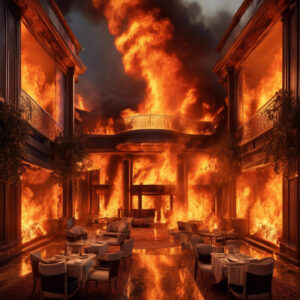
Hotels are bustling hubs of activity, catering to guests from all walks of life. Whether for business, leisure, or long-term stays, hotels serve as temporary homes for travelers. Given the sheer number of people moving in and out daily, safety must always be a top priority. One of the most significant threats to hotel safety is fire. Fires in hotels can be catastrophic, leading to loss of life, property damage, and severe financial and reputational consequences. This is why fireproofing is not just a legal requirement but an ethical and financial necessity for hotel owners and operators.
Fireproofing involves using fire-resistant materials, implementing fire suppression systems, and following stringent fire safety protocols to minimize the risk of fire outbreaks and limit damage if one occurs. This article will delve into why fireproofing is crucial for hotels, examining legal obligations, risk mitigation, guest and staff safety, financial considerations, and long-term benefits.
Understanding the Fire Risks in Hotels
Hotels pose unique fire risks due to their size, structure, and operations. The following factors contribute to the heightened risk of fires in hotels:
High Occupancy Levels
Hotels accommodate large numbers of guests at any given time, increasing the potential for human error, such as careless smoking, unattended electrical appliances, and other fire hazards.
Kitchen and Restaurant Operations
Many hotels house restaurants and large-scale kitchens that use open flames, electrical appliances, and cooking oils—prime sources of fire hazards if not properly managed.
Electrical Systems
Hotels rely on extensive electrical wiring to power guest rooms, conference facilities, lobbies, and entertainment areas. Faulty wiring, overloaded circuits, and malfunctioning appliances can trigger fires.
Flammable Furnishings and Decorations
Hotels often prioritize aesthetics, using plush carpets, upholstered furniture, drapes, and decorative elements that can quickly ignite and spread flames.
Multiple Floors and Complex Layouts
The layout of many hotels, particularly high-rise buildings, can make fire evacuation challenging. Poorly designed exit routes and stairwells can further exacerbate the risk.
The Importance of Fireproofing
Protecting Lives
The primary reason for fireproofing a hotel is to safeguard lives. Guests and staff depend on the hotel’s safety measures to prevent fire-related injuries or fatalities. Fireproofing efforts, such as installing fire-resistant doors, automatic sprinklers, smoke alarms, and clear evacuation routes, can significantly enhance survival rates in case of a fire.
Compliance with Legal Regulations
Governments and fire safety organizations have established strict building codes and regulations for the hospitality industry. Non-compliance can result in severe penalties, closures, and lawsuits. Fireproofing ensures that hotels meet these standards, avoiding legal consequences and demonstrating a commitment to guest safety.
Minimizing Property Damage
Fire can cause extensive structural damage, leading to costly repairs and temporary or permanent closure. Fire-resistant materials, sprinkler systems, and flame-retardant furnishings help slow the spread of fire, reducing destruction and enabling quicker recovery.
Protecting the Hotel’s Reputation
A hotel’s reputation is one of its most valuable assets. A fire-related tragedy can result in negative media coverage, loss of customer trust, and significant financial losses due to canceled bookings. Prioritizing fireproofing reassures guests and business partners that their safety is taken seriously.
Financial Benefits and Insurance Savings
Hotels with robust fireproofing measures often benefit from lower insurance premiums. Insurance companies assess risk levels before determining coverage costs, and a well-protected hotel may qualify for discounts. Additionally, preventing fires saves money by reducing repair and liability costs.
Essential Fireproofing Measures for Hotels
Fire-Resistant Building Materials
Hotels should incorporate fire-resistant materials in construction, such as fire-rated walls, ceilings, doors, and carpets. These materials slow the spread of flames, allowing more time for evacuation and firefighting efforts.
Advanced Fire Suppression Systems
Installing state-of-the-art fire suppression systems, including sprinklers, fire extinguishers, and automatic shut-off mechanisms for gas and electrical systems, can prevent small fires from escalating into disasters.
Smoke Detection and Alarm Systems
Early detection is key to preventing fire-related injuries and fatalities. High-quality smoke detectors, heat sensors, and centralized alarm systems must be strategically placed throughout the hotel.
Clear and Accessible Fire Exits
All hotels must have clearly marked, unobstructed fire exits. Evacuation plans should be displayed in guest rooms and common areas. Emergency lighting should be installed to guide guests safely in case of power outages during a fire.
Staff Training and Fire Drills
Employees must be trained in fire safety procedures, including how to use fire extinguishers, assist guests during evacuations, and recognize fire hazards. Regular fire drills should be conducted to ensure preparedness.
Strict No-Smoking Policies
Implementing and enforcing a no-smoking policy in rooms and common areas can significantly reduce fire risk. Hotels that allow smoking should provide designated outdoor smoking areas with proper disposal units.
Proper Maintenance of Electrical and Mechanical Systems
Routine inspections and maintenance of electrical wiring, appliances, and heating systems can prevent short circuits and overheating, which are common causes of hotel fires.
Safe Storage of Flammable Materials
Hotels should have designated storage areas for cleaning supplies, fuels, and other flammable substances. These materials should be stored away from heat sources and in compliance with safety guidelines.
Conclusion
Fireproofing in hotels is not just a regulatory requirement—it is a moral and financial imperative. The potential consequences of neglecting fire safety can be devastating, leading to loss of life, irreparable damage to property, legal repercussions, and a tarnished reputation. Implementing comprehensive fireproofing measures ensures that guests and staff remain safe, the hotel remains operational, and financial losses are minimized.
Hotels that invest in fireproofing demonstrate a commitment to excellence, safety, and responsibility. By taking proactive steps—ranging from using fire-resistant materials to training staff on fire protocols—hotels can significantly reduce fire risks and provide a secure environment for everyone. As the hospitality industry continues to grow, prioritizing fire safety will remain an essential component of maintaining a successful and trusted establishment.