
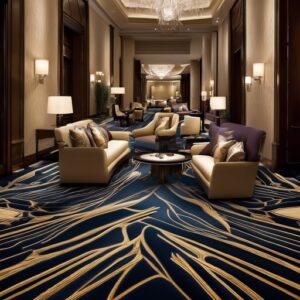
When managing or owning a hotel, one of the critical decisions is choosing the right flooring, specifically carpeting. Carpeting plays a vital role in creating a welcoming, comfortable, and stylish atmosphere for guests. It contributes to the aesthetic, comfort, and overall guest experience, while also affecting the hotel’s maintenance and long-term operational costs. One question that often arises for hotel management is whether to buy carpet from retail carpet stores or opt for more specialized commercial sources. At first glance, retail carpet stores may seem convenient and affordable. However, is it the best option for a hotel, where the demands on flooring are considerably higher than for a typical residential setting?
In this article, we’ll explore the factors that hotels should consider when deciding where to buy their carpets. We’ll examine the differences between retail carpet stores and commercial suppliers, the specific needs of hotels in terms of durability, customization, and maintenance, as well as the potential benefits and drawbacks of purchasing from retail stores. By the end, you’ll have a clearer understanding of whether retail carpet stores are the right choice for your hotel’s carpet needs.
The Role of Carpeting in a Hotel Environment
Before diving into where to purchase hotel carpeting, it’s essential to understand why the choice of carpet matters so much in a hospitality setting. Carpet serves several key functions in a hotel:
Aesthetic Appeal: The look and feel of a hotel’s carpet significantly impact guests’ first impressions. Whether in the lobby, guest rooms, hallways, or conference rooms, carpet helps define the ambiance and theme of the hotel. High-end hotels often use luxurious carpeting to convey sophistication, while budget hotels may opt for simpler, more functional designs.
Comfort: For both guests and staff, the softness and comfort of carpet underfoot can contribute to a welcoming environment. Guests appreciate the quietness and warmth carpet provides, especially in colder climates, where it adds insulation and comfort.
Durability and Longevity: Hotels experience a high volume of foot traffic compared to residential spaces. Whether it’s guests coming and going, staff working, or the movement of luggage and equipment, hotel carpets must withstand constant use without quickly showing signs of wear and tear. This makes durability a crucial consideration when choosing carpet.
Maintenance and Cleaning: Carpet in hotels must be easy to clean and maintain. Stains, spills, and dirt are inevitable, and if not handled correctly, they can lead to permanent damage or detract from the hotel’s appearance. High-quality carpet should be resistant to stains and easy to clean without losing its appearance or texture over time.
Given these unique needs, hotels must carefully consider the type of carpet they invest in.
Differences Between Retail and Commercial Carpet
Retail carpet stores primarily cater to homeowners or small businesses with residential-grade carpets. These carpets are designed for low to moderate foot traffic and are available in various styles and price ranges. However, carpets in retail stores often prioritize aesthetics over durability, and the selection may be more limited in terms of industrial or commercial-grade products.
On the other hand, commercial carpet suppliers offer flooring specifically designed for high-traffic environments like hotels. Commercial carpets are built to withstand wear and tear while retaining their appearance over time. These carpets are often manufactured with durability, stain resistance, and long-term maintenance in mind. Here are some key differences between retail and commercial carpet:
Durability: Commercial carpet is designed for heavy traffic areas and is made from materials that can endure the constant wear typical in hotels. Retail carpets may not hold up to the same level of use over time.
Customization: Hotels often want to create a unique look that aligns with their brand. Commercial suppliers frequently offer more customizable options, such as custom colors, patterns, or designs, to match the hotel’s décor. Retail stores may have limited options in this regard.
Pricing and Bulk Orders: Retail carpet stores are usually geared toward individual or small-scale purchases. While they may offer competitive prices for residential needs, they might not be equipped to handle large, bulk orders like a hotel requires. Commercial carpet suppliers, on the other hand, often provide discounts or wholesale pricing for large orders, making them more cost-effective in the long run.
Should Hotels Buy from Retail Carpet Stores?
Now that we’ve explored the key differences, let’s address whether hotels should consider buying their carpets from retail stores.
Advantages of Retail Carpet Stores for Hotels
One of the most appealing aspects of retail carpet stores is their accessibility. Hotel managers can walk into a store, browse the available selection, and take samples back to see how they fit in the hotel’s environment. Retail stores are generally convenient, with locations spread across towns and cities, and they often have in-store sales associates ready to assist customers.
Additionally, retail carpet stores may offer attractive pricing for smaller projects. If a hotel is only looking to update a few guest rooms or a small area, a retail store could offer a fast and cost-effective solution.
Another potential advantage is the immediacy of purchase. Retail stores often have stock on hand, meaning you can get carpet quickly without waiting for custom orders or manufacturing delays. This can be beneficial in situations where a hotel needs to make rapid updates due to damage or quick renovations.
Drawbacks of Retail Carpet Stores for Hotels
Despite the convenience, there are several significant drawbacks to buying hotel carpeting from retail stores. One of the main concerns is durability. Retail carpets are typically not designed for the high level of foot traffic hotels experience. This means that while the initial cost might be lower, the carpet will likely need to be replaced more frequently, leading to higher costs in the long term.
Furthermore, retail carpets may lack the stain and wear resistance required in hotel settings. In an environment where cleanliness is paramount and spills are inevitable, the carpet needs to hold up under frequent cleaning and exposure to potential damage from suitcases, luggage carts, and more.
Another issue is the lack of customization. Hotels often have specific aesthetic requirements, and retail stores may not have the range of patterns, colors, or styles needed to match a hotel’s branding or décor. Hotels that want to create a unique or luxurious environment might find retail carpet stores lacking in this area.
Lastly, retail carpet stores may not have experience working with hotels, so they may not fully understand the unique needs and challenges of hospitality environments. On the other hand, commercial carpet suppliers are well-versed in these requirements and can offer advice on the best solutions for long-term durability and style.
Benefits of Buying Carpet from Commercial Suppliers
If retail stores are not the best option for hotels, what advantages do commercial suppliers offer? Let’s explore the reasons why hotels should consider sourcing their carpet from commercial sources:
Higher Durability: Commercial carpets are built to last. They are manufactured with stronger materials and better construction methods that ensure they can withstand high traffic and frequent cleaning. Investing in commercial carpet can result in a much longer lifespan, saving money in the long run.
Customization Options: Commercial carpet suppliers can offer hotels the opportunity to create custom designs that align with their brand and overall aesthetic. Whether it’s a unique pattern, specific color palette, or a custom logo embedded into the carpet, commercial suppliers can provide a level of personalization that retail stores cannot.
Bulk Pricing and Discounts: Hotels often require large quantities of carpet, and commercial suppliers can offer better pricing for bulk orders. This is not only more cost-effective but also ensures consistency in the quality and design of the carpet throughout the hotel.
Expert Advice and Installation: Commercial carpet suppliers are familiar with the challenges of installing carpet in a hotel setting. They can recommend the best materials, styles, and patterns for high-traffic areas, and they often provide professional installation services to ensure the job is done right the first time.
Case Studies: Hotels That Chose Commercial Suppliers
Many successful hotels around the world have opted for commercial carpet suppliers to meet their unique needs. For instance, luxury hotel chains often work with manufacturers that specialize in high-end, durable carpets that maintain their appearance despite heavy foot traffic. In contrast, budget hotels may prioritize cost savings but still require carpets that can handle high usage, making commercial-grade options more practical.
Hotels that have invested in commercial carpets report fewer issues with wear and tear, better guest satisfaction due to the improved appearance and comfort of their facilities, and lower long-term costs due to reduced need for replacement and repair.
Conclusion
When considering whether hotels should buy their carpet from retail carpet stores near me, the decision largely depends on the scale of the project, the hotel’s specific needs, and long-term goals. While retail carpet stores may offer convenience and affordability for smaller projects or residential settings, they are often not equipped to meet the demands of a hotel environment.
For hotels, investing in commercial-grade carpets from specialized suppliers is generally the better choice. These suppliers offer more durable, customizable, and cost-effective solutions that align with the unique challenges of the hospitality industry. Though the initial cost may be higher, the long-term savings and improved guest experience make commercial carpets a sound investment for hotels of all sizes.