
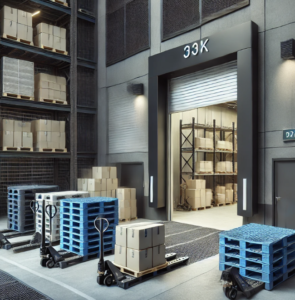
Hotels run on precision. A guest may only see the lobby, the room, the restaurant, and the pool deck—but behind every smooth stay is a constant flow of deliveries: linens, amenities, beverages, food, cleaning chemicals, banquet supplies, maintenance parts, and seasonal décor. That movement lives on pallets.
For decades, wood pallets were the default. They were cheap, widely available, and “good enough” for many supply chains. Today, the hospitality world is shifting—especially as sustainability expectations rise, procurement gets more strategic, and operations teams push for cleaner, safer, more consistent standards. Plastic pallets are becoming the smarter choice for hotels that care about hygiene, efficiency, and long-term cost control, all while supporting the kind of sustainability momentum that hospitality news continues to track across the industry.
Cleaner Handling in a Hygiene-Driven Industry 🧼
Hotels are fundamentally trust businesses. Guests trust that sheets are clean, kitchens are sanitary, and storage areas are well managed. Wood pallets can work against that goal. They absorb moisture, can harbor mold, and can splinter or shed debris. Nails can loosen. Wood can flake. If a pallet sits on a damp loading dock or gets moved between refrigerated and ambient environments, it can degrade quickly.
Plastic pallets, by contrast, are designed for repeat handling in environments where cleanliness matters. They don’t absorb water the way wood does, and they’re easier to clean and sanitize. In practical terms, that means fewer contamination concerns when pallets move near laundry operations, food and beverage storage, or housekeeping supply areas. In an industry where reputation depends on consistency, that stability matters.
Fewer Injuries, Fewer “Little Problems” That Steal Time 👷
A hotel’s back-of-house is a high-traffic workplace. Teams move quickly, often in tight corridors and busy receiving areas. Wood pallets introduce everyday hazards: splinters, broken boards, protruding nails, rough edges, and unpredictable weight distribution when boards warp. Each one of those can lead to staff injuries, damaged product, or equipment issues with pallet jacks and forklifts.
Plastic pallets are typically built with more consistent dimensions and smoother surfaces, reducing snag points and breakage-related surprises. That translates into fewer interruptions: fewer re-stacks, fewer damaged boxes, fewer torn shrink wraps, and fewer “we lost 20 minutes dealing with this” moments. Those minutes add up in hotels, where labor is one of the biggest operational costs and staffing remains a major industry focus in hotel news coverage.
For a broader view of how hotel operations continue to evolve, Hotel Dive’s operations coverage provides helpful industry context: Hotel Dive – Operations 📦
Sustainability Goals Are Expanding Beyond Guest-Facing Plastics ♻️
Hospitality has spent years talking about “plastic” in terms of guest-facing items: straws, bottles, mini toiletries, and packaging. That conversation has been widely covered in hotel and travel business media. The next phase is less visible but just as impactful: operational materials, procurement standards, and supply chain decisions.
Plastic pallets fit into that shift because many are designed for reuse and long service life. Instead of constantly replacing broken wood pallets, hotels and suppliers can move toward pooled pallet systems or closed-loop logistics where pallets circulate repeatedly. That supports the broader industry push toward circularity and smarter sourcing.
If you want a hospitality-focused look at circularity and the supply chain’s role in waste reduction, this feature is a strong reference point: Sustainable Hotel News – Circularity in Action 🌍
Procurement Is Becoming a Strategic Lever, Not a Back-Office Task 📊
Hotels are treating procurement as a competitive advantage. Better purchasing decisions reduce waste, improve resilience during disruptions, and strengthen sustainability reporting. Plastic pallets show up in this strategic procurement mindset because they deliver predictability: standardized performance, fewer losses from damage, fewer product write-offs, and better compatibility with modern warehousing and distribution practices.
Hospitality Net frequently covers how purchasing and procurement are becoming part of the sustainability and performance conversation, not just a cost discussion. This piece frames that broader procurement evolution well: Hospitality Net – Hospitality Procurement Trends 🏨
Supply Chain Disruptions Made “Reliability” Non-Negotiable 🚚
Hotels have lived through enough volatility to know that “good enough” logistics can become expensive fast. Delays, shortages, and cost spikes put pressure on every part of operations—especially receiving, storage, and inventory planning. When the supply chain is stressed, equipment breakdowns and inconsistent handling become bigger problems.
Plastic pallets help reduce a specific kind of friction: damaged pallets causing rejected deliveries, unstable stacks in transit, and product loss. Their consistent build makes them easier to handle with automated or semi-automated systems in distribution networks, which is increasingly relevant as the hotel supply chain becomes more sophisticated.
For an operations-focused view of how lodging is managing supply chain disruption, this Hotel Management article is a useful industry reference: Hotel Management – Managing Supply Chain Disruption 🔧
Better for High-Value and High-Standard Areas Like F&B and Events 🍽️
Food and beverage is one of the most sensitive areas for pallet decisions. Hotels handle everything from bulk beverages to refrigerated ingredients, banquet supplies, and restaurant inventory. Wood pallets can introduce debris and are harder to keep clean, which is not ideal in storage areas tied to kitchens or outlets that must maintain strict standards.
Plastic pallets bring a cleaner profile, and they often perform better in cold or wet environments where wood can degrade. That matters for hotels that run busy kitchens, constant banquets, or high-volume events. In those settings, reliability and cleanliness are operational essentials, not optional upgrades.
Lodging Magazine regularly covers how sustainability and operational standards show up in real departments like F&B. This article provides relevant industry framing: Lodging Magazine – Approaches to F&B Sustainability 🍃
Total Cost Often Beats “Cheap Up Front” 💵
Wood pallets look cheaper at first glance. The challenge is the hidden cost curve: breakage, disposal, replacement cycles, damaged goods, staff time spent re-stacking, and increased safety risk. Plastic pallets are often a higher initial investment, but they are built for reuse and longer life, which can lower total cost over time—especially when hotels standardize their supply chain and reduce variability.
Hotels that operate multiple properties can also gain even more value through standardization. When the same pallet type is used across a region or brand portfolio, handling becomes simpler, training improves, damage decreases, and vendor alignment gets easier. Over time, these operational efficiencies compound, and that is exactly the kind of “boring but powerful” advantage strong operators pursue.
They Support Tracking, Standardization, and Modern Logistics Tech 📡
Many plastic pallets are designed to integrate with tracking tools like RFID tags or barcodes, making them easier to manage in systems that prioritize visibility. Hotels may not track pallets like a distribution center does, but the suppliers delivering to hotels increasingly do. Better tracking reduces loss, improves reverse logistics, and supports pooled pallet programs that keep materials in circulation longer.
This is a quiet shift, but it aligns with the direction hotel operations and hospitality logistics continue to move: more standardization, more data, fewer surprises, and more control over supply chain outcomes.
Plastic Pallets Are Also Part of the Broader “Plastics” Conversation in Travel Media 🗞️
Even as hotels reduce guest-facing single-use plastics, industry coverage continues to highlight that plastics are complicated and that sustainability requires smarter systems, not just symbolic swaps. Plastic pallets land in that “systems” category—less visible, more operational, and often more meaningful over the long run.
Skift has covered the hospitality industry’s complicated relationship with plastics and sustainability expectations in travel: Skift – Hotels Have a Problem With Plastics 🧳
Conclusion: Plastic Pallets Are a Back-of-House Choice That Protects Standards 🌟
Hotels are switching to plastic pallets because the industry is changing. Cleanliness expectations are higher. Procurement is more strategic. Sustainability reporting is more serious. Supply chains demand reliability. Operations teams need fewer disruptions and safer workflows.
Plastic pallets deliver a practical blend of cleaner handling, reduced injury risk, stronger durability, and a reuse-friendly model that fits modern hospitality goals. Guests may never notice a pallet, but they will notice what pallets influence: smoother operations, cleaner standards, and a hotel that runs like it has its act together.
For a simple baseline definition of what plastic pallets are in the first place, this reference is helpful: Wikipedia – Plastic pallet ✅