
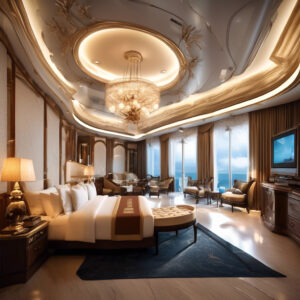
Los Angeles, one of the most dynamic hospitality markets in the world, presents unparalleled opportunities for hotel owners and developers. The city’s vibrant tourism industry, fueled by entertainment, business travel, and international visitors, makes it a prime location for hotel investment. However, with great opportunity comes great complexity. Developing, renovating, or managing a hotel in Los Angeles requires navigating a challenging landscape of regulations, labor costs, supply chain disruptions, and competitive market pressures. This is where an owner’s representative becomes invaluable. Owner’s representation ensures that a hotel project—whether new construction, renovation, or operational optimization—stays on schedule, within budget, and aligned with the owner’s vision. In this article, we will explore the reasons why hotels in Los Angeles need owner’s representation and the significant benefits it brings to the table.
The Complexity of Hotel Development in Los Angeles
Navigating Local Regulations and Permits
Los Angeles is notorious for its intricate permitting and regulatory requirements. Whether it’s zoning laws, environmental impact assessments, or building codes, the process of getting a Los Angeles hotel project approved can be daunting. An owner’s representative has in-depth knowledge of the local regulatory framework and works closely with city officials, planning commissions, and legal teams to ensure compliance. Without an experienced professional managing this aspect, delays and costly legal challenges can arise, significantly impacting the project timeline and budget.
Managing Budget and Cost Control
The cost of hotel development in Los Angeles is among the highest in the country due to rising land values, labor expenses, and material costs. An owner’s representative plays a crucial role in financial oversight, ensuring that every dollar is accounted for and spent efficiently. By establishing clear budgets, vetting contractors, and negotiating favorable terms, an owner’s representative helps prevent cost overruns and ensures the financial viability of the project.
Overseeing Construction and Design Execution
A successful hotel must balance aesthetics with functionality. Owners may have a vision for their property, but translating that vision into reality requires coordination between architects, designers, engineers, and contractors. An owner’s representative acts as the liaison between these professionals, ensuring that design specifications are met without unnecessary modifications that could drive up costs. They also oversee construction progress, ensuring that work meets quality standards and adheres to deadlines.
Operational Efficiency and Project Coordination
Vendor and Contractor Coordination
Building a hotel involves multiple stakeholders, from general contractors and subcontractors to suppliers and service providers. Coordinating these moving parts can be overwhelming for an owner who may not have experience in construction or hotel operations. An owner’s representative streamlines communication, resolves conflicts, and ensures that all parties are aligned with the project’s goals.
Quality Control and Risk Management
Quality control is essential in hotel development. From structural integrity to interior finishes, every aspect of the property must meet industry standards to ensure safety, comfort, and longevity. An owner’s representative conducts regular inspections, identifies potential issues before they escalate, and ensures corrective actions are taken promptly. Additionally, they assess and mitigate risks associated with labor disputes, material shortages, and unforeseen site conditions, reducing the likelihood of project disruptions.
Maximizing Return on Investment (ROI)
Market Analysis and Competitive Positioning
The Los Angeles hotel market is highly competitive, with luxury hotels, boutique properties, and branded chains vying for market share. An owner’s representative provides valuable insights into market trends, guest expectations, and competitor strategies. By leveraging this data, they help owners make informed decisions regarding branding, amenities, and pricing strategies, ensuring the hotel remains competitive and profitable.
Post-Construction Transition and Operational Readiness
A hotel’s success extends beyond construction—it must be operationally efficient from day one. An owner’s representative assists in transitioning from construction to operations, coordinating with hotel management teams, staff recruitment, and procurement of essential services. This ensures a smooth launch, reducing downtime and maximizing revenue potential.
Long-Term Asset Management
A hotel is a long-term investment that requires continuous oversight to maintain profitability. An owner’s representative can assist in asset management, identifying areas for improvement, recommending upgrades, and ensuring that the property remains attractive to guests and investors alike. Their involvement extends beyond the initial development phase, safeguarding the hotel’s value and long-term success.
Conclusion
The hospitality industry in Los Angeles presents both opportunities and challenges for hotel owners. From navigating complex regulations to managing construction, coordinating vendors, and ensuring operational efficiency, the process requires a dedicated and knowledgeable professional. Los Angeles owners representation serves as a trusted advocate, ensuring that every aspect of the hotel development and operation aligns with the owner’s vision and financial objectives. By investing in owner’s representation, hotel owners can mitigate risks, streamline project execution, and maximize their return on investment. In a competitive market like Los Angeles, having an experienced owner’s representative is not just an advantage—it is a necessity for success.