
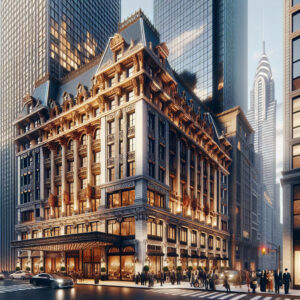
The hospitality industry thrives on first impressions. From the moment guests arrive at a hotel, they begin forming an opinion based on what they see. A well-maintained, clean, and aesthetically appealing exterior plays a crucial role in setting the tone for a guest’s stay. Among the most effective methods for maintaining a hotel’s exterior is house pressure washing.
Pressure washing involves the use of high-pressure water streams to remove dirt, mold, mildew, and other contaminants from surfaces such as walls, roofs, sidewalks, and patios. For hotels, this cleaning method is not just a cosmetic enhancement but a vital part of maintaining hygiene, protecting infrastructure, and preserving the brand’s reputation. In this article, we will explore why hotels need house pressure washing, the benefits it offers, and how it contributes to the overall guest experience.
The Importance of Curb Appeal in Hospitality
Curb appeal is an essential factor in a hotel’s success. A property’s exterior is the first and last thing guests see, and a dirty or unkempt appearance can lead to negative reviews, reduced bookings, and a damaged brand image.
Hotels are in constant competition to attract and retain guests, and a clean exterior significantly influences a traveler’s choice. Stains, grime, and mold growth on the hotel’s façade can give the impression of neglect and poor management. Pressure washing removes these blemishes and revitalizes the building, ensuring that guests are greeted by a fresh and welcoming environment.
Moreover, professional photography and online marketing rely heavily on a hotel’s visual appeal. High-quality images of a pristine property attract potential guests and set realistic expectations. Regular pressure washing helps hotels maintain this polished look, which in turn boosts occupancy rates and revenue.
Health and Hygiene Considerations
Beyond aesthetics, pressure washing is essential for maintaining a clean and sanitary environment. Hotels accommodate hundreds, if not thousands, of guests and staff members daily. With high foot traffic, outdoor areas accumulate dirt, bacteria, allergens, and pollutants that can pose health risks.
Mold, mildew, and algae thrive in damp conditions and can spread rapidly on building exteriors, walkways, and pool areas. These microorganisms are not only unsightly but also hazardous to health, potentially causing respiratory issues and allergies among guests and employees. Pressure washing effectively eliminates these contaminants, ensuring a healthier environment.
Additionally, pests such as rodents and insects are attracted to unclean surfaces and decaying organic matter. Regular exterior cleaning helps to deter these pests, contributing to a more hygienic hotel setting.
Extending the Lifespan of Hotel Infrastructure
Hotels invest heavily in their buildings and facilities, making maintenance a priority to protect these assets. Without proper care, dirt, grime, and pollutants can cause deterioration over time, leading to costly repairs and structural damage.
For example, mold and algae can cause moisture retention on walls and roofs, accelerating decay and leading to expensive restoration efforts. Similarly, pollutants like bird droppings contain acidic properties that corrode surfaces, compromising the integrity of the building materials. Pressure washing helps prevent such deterioration by removing harmful elements before they cause significant damage.
Moreover, parking lots, driveways, and sidewalks endure heavy usage and exposure to automotive fluids, grease, and dirt. Without proper cleaning, these areas become safety hazards, leading to slip-and-fall accidents. Regular pressure washing ensures that these surfaces remain clean, safe, and visually appealing, reducing liability risks for hotel owners.
Compliance with Health and Safety Regulations
Hotels must adhere to strict health and safety regulations to maintain their operating licenses and avoid legal issues. Local health departments and hospitality organizations often have cleanliness standards that properties must meet to remain in good standing.
Failing to maintain a clean exterior can result in health code violations, fines, and even forced closures in extreme cases. By scheduling regular pressure washing, hotel management can ensure compliance with these standards, avoiding potential legal repercussions and maintaining a positive relationship with regulatory bodies.
Additionally, cleanliness and safety influence guest reviews and ratings. In the age of online reviews and social media, any lapse in cleanliness can quickly become public knowledge, affecting a hotel’s reputation. Preventive measures, such as routine pressure washing, help mitigate negative feedback and uphold high cleanliness standards.
Enhancing Guest Satisfaction and Experience
Guest experience is the cornerstone of the hospitality industry, and cleanliness plays a significant role in overall satisfaction. A well-maintained hotel exterior fosters a sense of comfort and security, making guests feel welcome and valued.
A clean environment extends beyond guest rooms to outdoor areas such as patios, balconies, pool decks, and garden walkways. These spaces are often highlighted in marketing materials and serve as relaxation spots for visitors. Pressure washing ensures that these areas remain inviting and free from dirt, mildew, and unsightly stains.
Guests who encounter clean, well-kept surroundings are more likely to leave positive reviews and recommend the hotel to others. With online review platforms playing a critical role in influencing bookings, maintaining a pristine property is more important than ever.
Eco-Friendly Cleaning Solutions
Many modern pressure washing services use environmentally friendly cleaning solutions that effectively remove grime without harming the ecosystem. Hotels committed to sustainability can benefit from these eco-friendly options, reducing their environmental footprint while maintaining high standards of cleanliness.
Unlike traditional cleaning methods that rely on excessive chemicals and water waste, pressure washing is a more efficient and sustainable approach. High-pressure water use minimizes the need for harmful detergents, while advanced equipment ensures precise cleaning with minimal water consumption. By choosing professional pressure washing services that prioritize sustainability, hotels can uphold their commitment to eco-conscious business practices.
Cost-Effective Maintenance Strategy
Preventive maintenance is always more cost-effective than reactive repairs. Regular pressure washing helps hotels avoid the high costs associated with structural damage, repainting, and deep restoration projects.
For instance, repainting a hotel’s exterior is a significant expense that can often be delayed or avoided with consistent pressure washing. Removing dirt and pollutants preserves the paint and extends its longevity, reducing the frequency of repainting needs. Similarly, maintaining clean sidewalks and entryways prevents the buildup of debris that can cause costly wear and tear over time.
By integrating pressure washing into their routine maintenance plan, hotels can save money in the long run while ensuring their property remains in top condition.
Conclusion
House pressure washing near me is not just a luxury for hotels—it is a necessity. From improving curb appeal and hygiene to extending the lifespan of infrastructure and ensuring compliance with health regulations, pressure washing offers a multitude of benefits that contribute to a hotel’s success.
In an industry where guest satisfaction and reputation are paramount, maintaining a clean exterior sets the foundation for positive experiences and repeat business. Hotels that invest in regular pressure washing demonstrate a commitment to excellence, attracting more guests and securing their position in a competitive market.
By incorporating professional pressure washing services into their maintenance routines, hotels can enhance their appeal, protect their assets, and create a welcoming environment that guests will appreciate and remember.