
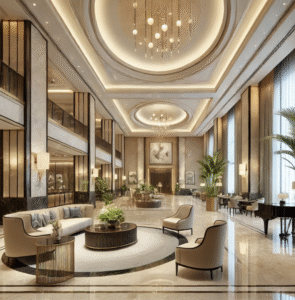
The hospitality industry thrives on delivering a superior guest experience, and every detail contributes to that mission—from the ambiance of the lobby to the durability of the back-of-house infrastructure. One of the most underappreciated but essential elements in hotel operations is flooring. Flooring affects everything from first impressions and safety to maintenance costs and operational efficiency. While many hotels lean toward luxury carpeting or stone tiles in guest-facing areas, an increasing number are turning to epoxy flooring—especially in back-of-house zones, service corridors, laundry rooms, spas, kitchens, parking garages, and even gyms.
Epoxy flooring offers a powerful combination of durability, aesthetics, hygiene, and cost-effectiveness. It’s not just for industrial spaces anymore. Hotels that embrace this modern flooring solution are discovering new opportunities to save money, reduce downtime, and increase safety while maintaining a professional, polished appearance. Let’s take a deep dive into why epoxy flooring should be on every hotel’s capital improvement plan. 🏨✨
What Is Epoxy Flooring?
Epoxy flooring is a type of synthetic resin floor system laid on top of concrete substrates as a form of protection and decoration. The system typically consists of several layers of thermosetting resin that are applied on concrete surfaces and allowed to cure into a hard, durable plastic.
These floors are known for their seamless finish, high-gloss shine, and extreme resistance to wear and chemicals. They are widely used in commercial kitchens, healthcare settings, garages, and now increasingly in hospitality environments because of their high-performance characteristics.
To learn more about the components of epoxy flooring, visit National Floor Safety Institute. ✅
1. Durability That Withstands Heavy Foot Traffic
Hotels are high-traffic environments. From bell carts and cleaning equipment to endless guest footfall, hotel floors are subject to significant wear and tear. Traditional flooring materials such as carpet, tile, or vinyl can degrade quickly, leading to costly replacements or constant repairs.
Epoxy flooring, on the other hand, is built to last. It provides a high-performance surface that can withstand the pressure of rolling luggage, cleaning machinery, and foot traffic without cracking, chipping, or scuffing. Its abrasion-resistant quality is ideal for busy areas like:
-
Hallways and service corridors
-
Commercial kitchens
-
Laundry and housekeeping zones
-
Maintenance rooms and back offices
-
Mechanical and boiler rooms
This type of durability leads to lower long-term maintenance costs, something every hotel should value when calculating ROI. 💪
2. Hygienic and Easy to Clean
Cleanliness is non-negotiable in the hospitality sector. From health code compliance to online reviews, the appearance and actual sanitation of hotel facilities can make or break a brand’s reputation. Epoxy flooring is non-porous, meaning liquids, dirt, and bacteria cannot seep into it.
This is especially important in:
-
Hotel kitchens and food prep areas
-
Gym floors and locker rooms
-
Spa and pool areas
-
Bathrooms and utility spaces
Unlike grout lines in tile, epoxy’s seamless surface makes it easy to sanitize thoroughly. With just routine mopping and occasional deep cleaning, hotels can keep epoxy floors spotless, reducing the chance of contamination, mold, or odor buildup. According to the Centers for Disease Control and Prevention (CDC), non-porous surfaces are easier to disinfect and promote a safer environment. 🧼🦠
3. Enhanced Safety for Guests and Staff
Safety is another core concern for hotels. Slips, trips, and falls are among the most common causes of injuries in hospitality settings, especially in wet zones like kitchens, bathrooms, and pool areas.
Epoxy flooring can be customized with anti-slip additives to improve traction. This means hotels can enhance OSHA compliance and reduce liability risks in accident-prone areas. It also provides better visibility due to its reflective quality, which enhances lighting in darker utility spaces or underground garages.
With a variety of finishes—including textured surfaces for wet environments—epoxy floors can play a significant role in accident prevention. 🛑👣
4. Aesthetic Versatility for Public and Private Spaces
While traditionally associated with industrial design, modern epoxy flooring comes in a wide range of finishes, colors, and textures. Decorative epoxy can mimic high-end materials like terrazzo or quartz and can be embedded with custom logos, metallic pigments, and colored flakes to create stunning, unique designs.
Public-facing areas in hotels, such as:
-
Fitness centers
-
Spas
-
Lobbies and lounges
-
Business centers
-
Parking structures
…can benefit from decorative epoxy solutions that offer visual appeal without compromising performance. This fusion of design and function allows hotels to maintain a professional appearance while ensuring long-term durability. 🎨
5. Cost-Effective Over the Long Haul
While the upfront installation cost of epoxy flooring can be higher than alternatives like vinyl, the long-term savings are undeniable. Here’s why epoxy offers superior ROI:
-
Lower maintenance costs (no waxing, sealing, or polishing)
-
Fewer repairs or replacements
-
Energy savings due to reflective surfaces that improve lighting efficiency
-
Extended lifespan, reducing the frequency of full renovations
The investment is not just in aesthetics—epoxy floors support your bottom line by reducing operational disruptions and keeping maintenance budgets in check. For financial planning purposes, check out guidance from the International Facility Management Association (IFMA). 💸
6. Fast Installation with Minimal Downtime
Hotel renovations can be logistically challenging due to the need to minimize guest disruption. Epoxy flooring systems are relatively quick to install and cure, especially with rapid-cure formulations available today. This makes it possible to upgrade key areas overnight or during low-occupancy periods, ensuring minimal revenue loss.
Unlike tile or carpet that may require longer lead times and demolition, epoxy can often be applied directly over existing concrete slabs after proper prep. The speed of installation and rapid return to service are a major plus for busy hotel environments that can’t afford long downtimes. 🕒🚀
7. Resistant to Chemicals and Spills
Hotels handle a wide variety of cleaning products, laundry detergents, food and beverage spills, and pool chemicals. Many of these substances can stain or damage traditional flooring—but not epoxy.
Epoxy floors offer chemical resistance that protects against:
-
Bleach, ammonia, and acidic cleaners
-
Chlorine and pool treatments
-
Oils and greases from kitchen or maintenance areas
-
Wine, coffee, and other common spillages
This resistance helps maintain the floor’s visual appeal and integrity for years, avoiding unsightly discoloration or etching. 🧪💧
8. Ideal for Parking Garages and Entryways
Don’t forget the guest’s first impression begins the moment they drive onto the property. Many hotels overlook their parking structures, loading docks, and main entrances—but these areas deserve just as much attention.
Epoxy flooring in parking garages:
-
Improves visibility and safety
-
Resists oil and tire stains
-
Can be color-coded for directional flow or designated zones
-
Prevents concrete dusting and degradation
Applying epoxy coatings in these areas elevates the entire brand experience from the start, creating a sense of polish and professionalism. 🚗✨
9. Custom Branding Opportunities
Brand identity matters in hospitality. With custom epoxy designs, hotels can integrate their logos, signature colors, or themed aesthetics into floors for a memorable, on-brand visual impact. This can be especially useful in:
-
Hotel spas or wellness centers
-
Branded gyms or fitness zones
-
Poolside areas
-
Conference halls or event venues
Rather than just being functional, epoxy floors can become a design feature that reinforces brand cohesion. 🎯
10. Sustainable and Eco-Friendly Options
Sustainability is a growing priority for hotels pursuing LEED certification or simply trying to reduce their carbon footprint. Epoxy flooring systems contribute to sustainability by:
-
Extending floor life, reducing material waste
-
Improving indoor lighting efficiency via reflective surfaces
-
Requiring fewer harsh chemicals to clean
-
Using low-VOC (volatile organic compound) formulations
Many modern epoxy products are now manufactured with eco-friendly resins, making them a smart choice for hotels committed to green building standards. Learn more from the U.S. Green Building Council. 🌱♻️
Conclusion: Why Epoxy Flooring Is a Smart Investment for Hotels
In an industry where every detail matters, epoxy flooring gives hotels a competitive edge—enhancing safety, reducing maintenance, improving aesthetics, and boosting long-term cost savings. From back-of-house to guest-facing areas, epoxy offers unmatched versatility and value.
When your floors are as durable and dependable as your staff, you create a foundation—literally—for excellence in hospitality. Whether you’re running a boutique resort or a national hotel chain, epoxy flooring helps your property look better, last longer, and operate more efficiently.
Ready to elevate your hotel’s floors to a whole new level? Contact a trusted commercial epoxy flooring expert and take the first step toward long-term value and style. 🏨💼